




Moanir Abi Hadi
Japan continues to attract global attention not only for its technology and economic strength but also for the remarkable longevity of its people. With one of the highest average life expectancies in the world, Japan offers an important example of how lifestyle, social values and public policy can shape a healthier society.
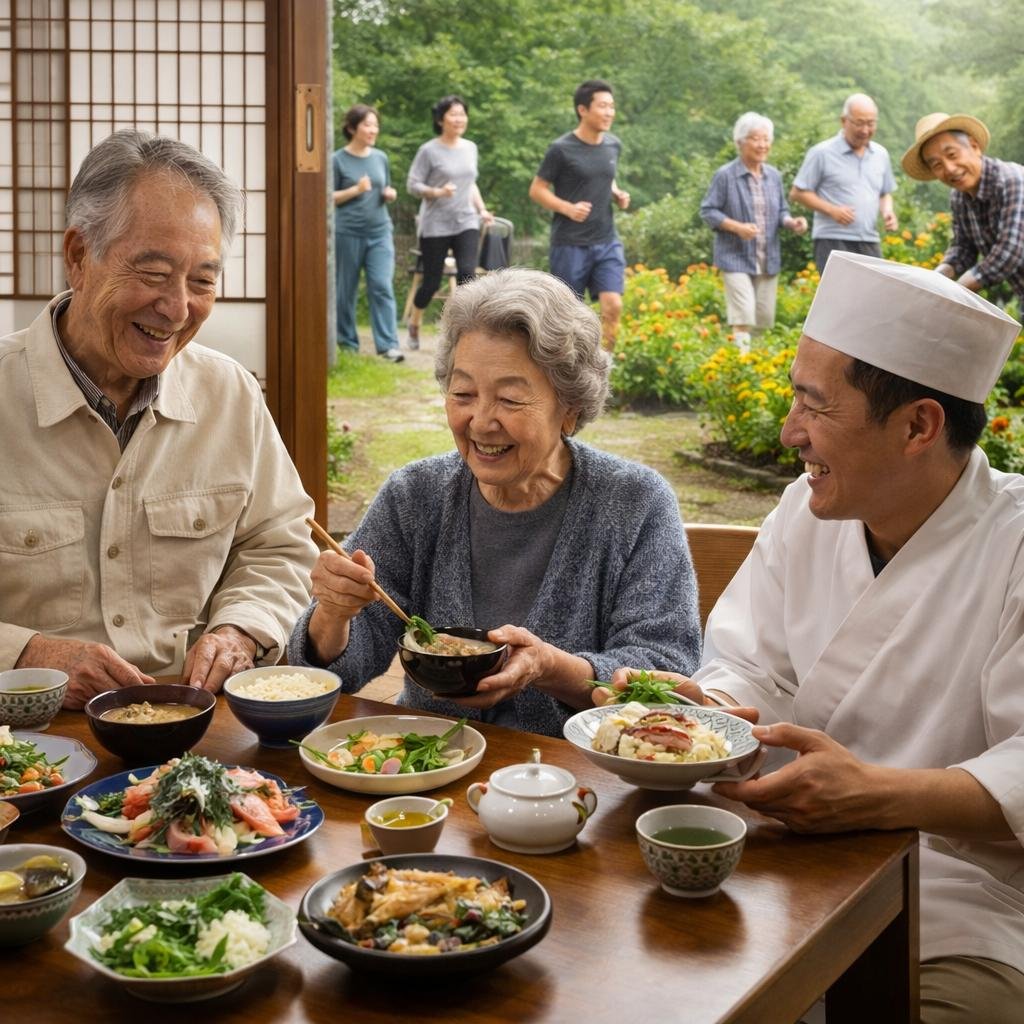
One of the main reasons for Japan’s long life expectancy is its traditional diet. Japanese meals are usually balanced and simple consisting of fish, rice, vegetables, soy products and green tea. These foods are low in unhealthy fats and rich in nutrients that protect the heart and brain. Unlike many modern diets that depend heavily on processed food, Japanese eating habits focus on freshness and moderation.
Another important factor is portion control. A common Japanese principle often described as eating until one is about 80 percent full which helps prevent overeating. This habit reduces obesity which is a major cause of diseases such as diabetes and heart problems in many countries. As a result, Japan has one of the lowest obesity rates among developed nations.
Physical activity also plays a major role. Walking and cycling are common parts of daily life because of efficient public transport systems and compact cities. Elderly citizens remain active for longer periods which helps maintain physical and mental health. Regular movement even at a light level contributes greatly to longer life.
Japan’s healthcare system further supports longevity. Universal health coverage ensures that citizens receive regular medical checkups and early treatment. Preventive care helps detect diseases at an early stage reducing serious health risks later in life.
Social structure is another key element. Japanese society values community connection and respect for older people. Many seniors remain socially engaged through family life and local activities or part-time work. Strong social bonds reduce loneliness and stress which are linked to poor health outcomes.
A cultural idea known as ikigai, meaning a reason for living also influences Japanese life. Many people continue to pursue hobbies, work, or community service even after retirement. This sense of purpose keeps individuals mentally active and emotionally stable.
Japan’s experience shows that long life is not achieved through medicine alone. Healthy eating, active living, social harmony and a sense of purpose together create conditions for better health and longer lives. For countries facing rising health challenges, the Japanese model offers valuable lessons on how lifestyle and culture can become powerful tools for national well-being.