



Human history is often remembered through monuments that dominate skylines and narratives alike. Yet some of the world’s most extraordinary engineering achievements slipped quietly into obscurity only to be rediscovered centuries later. Among them stand two remarkable megastructures one in South Asia and the other in the Mediterranean world that reveal how advanced ancient civilizations truly were.
Jetavanaramaya A Monument Built to Endure
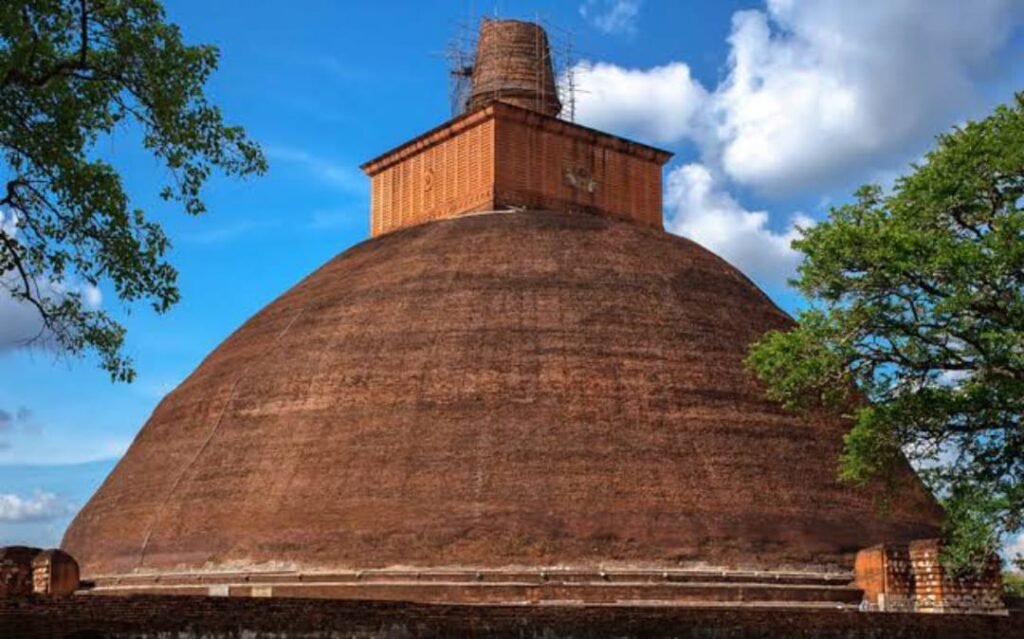
Rising from the ancient city of Anuradhapura stands Jetavanaramaya, a colossal brick-built structure dating back to the fourth century CE. Once among the tallest structures in the ancient world this immense stupa was constructed during a period of religious rivalry within Sri Lankan Buddhism. Far more than a devotional site it was a bold architectural statement of faith power and permanence.
Jetavanaramaya remains the largest brick structure by volume ever built using an estimated ninety-three million bricks. At its peak it rivaled the Great Pyramid of Giza in height and scale. Designed to house sacred Buddhist relics the monument reflected not only spiritual devotion but also sophisticated engineering knowledge particularly in brick bonding load distribution and seismic resilience.
Over centuries Jetavanaramaya endured earthquakes abandonment political upheaval and even civil war. Dense vegetation and neglect gradually concealed its true scale and for long periods it was largely forgotten by the outside world. Only modern archaeological efforts restored global attention to this engineering marvel revealing its unmatched construction and historical importance.
Despite its significance Jetavanaramaya remains relatively unknown internationally a quiet reminder that history often favors certain narratives while overlooking others of equal or greater achievement.
Ephesus A Roman City Frozen in Time
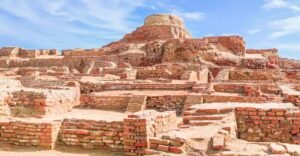
While Jetavanaramaya rose in South Asia another monumental urban achievement flourished thousands of kilometers away. Located in present-day Turkey Ephesus stands as one of the most complete and well-preserved Roman cities ever uncovered.
Recognized today as a UNESCO World Heritage Site, Ephesus was once a thriving port city and a major center of commerce religion and governance in the Roman Empire. Spread across approximately 1,600 acres its vast footprint makes it nearly ten times the size of Disneyland offering visitors an unparalleled glimpse into Roman urban life.
The city features grand avenues libraries temples public baths theaters and residential complexes all meticulously planned. Structures such as the Library of Celsus and the Great Theatre demonstrate advanced architectural design acoustic engineering and urban planning principles that influenced cities for centuries.
Unlike many ancient settlements Ephesus escaped complete destruction due to gradual environmental changes rather than violent collapse. As the harbor silted up the city slowly declined preserving much of its layout beneath layers of soil until systematic excavations revealed its extraordinary condition.
Forgotten Then Rediscovered
What unites Jetavanaramaya and Ephesus is not only their scale but also their shared fate of historical neglect. Both were shaped by powerful civilizations equipped with advanced engineering knowledge yet both faded from global consciousness as political priorities shifted and landscapes changed.
Their rediscovery has reshaped how historians understand ancient construction techniques religious expression and urban life. These megastructures challenge modern assumptions about technological progress reminding us that durability innovation and ambition are not exclusively modern traits.
Why These Megastructures Matter Today
In an age of rapid construction and short-lived infrastructure these ancient works stand as lessons in longevity and purpose. They demonstrate how architecture rooted in cultural values faith and long-term vision can endure for millennia.
As global interest in heritage preservation grows monuments like Jetavanaramaya and Ephesus deserve wider recognition not only as tourist destinations but as milestones of human ingenuity. They are proof that history still holds stories waiting patiently to be remembered.