




Munir Hussain Chopra
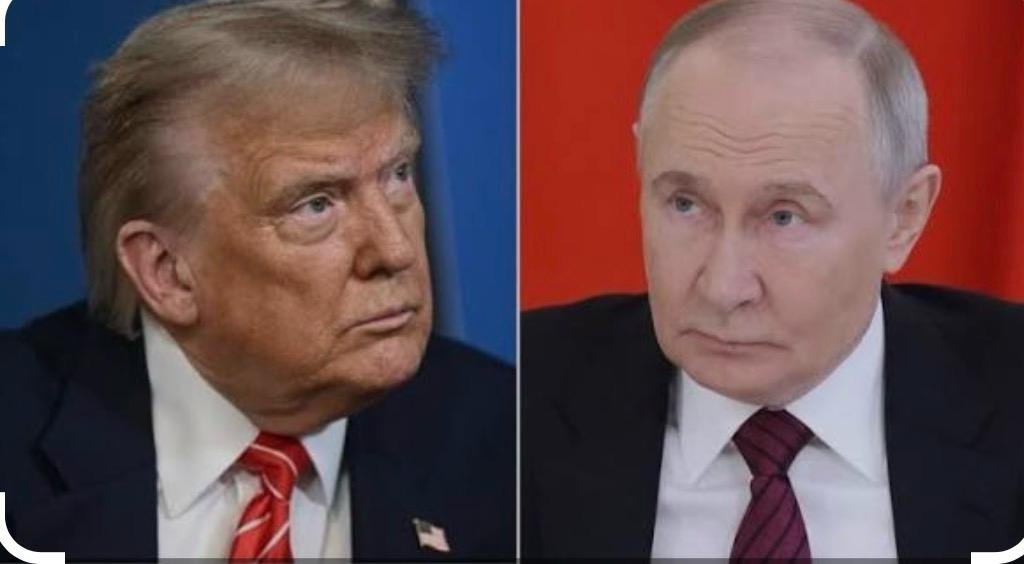
At the beginning of his strategy on the Russia–Ukraine war, U.S. President Donald Trump claimed that he would force a resolution through economic pressure. His idea was simple that any country purchasing oil from Russia would face tariffs thereby isolating Moscow economically and pushing it toward negotiations. Under this pressure, several countries including India reportedly reduced their purchases of Russian oil.
However, the situation became far more complicated when Trump, in coordination with Israeli Prime Minister Benjamin Netanyahu, launched military actions against Iran. In response, Iran moved to block the Strait of Hormuz which is one of the world’s most critical energy routes through which nearly 20 percent of global oil and gas supplies pass.
Although the United States attempted to reassure shipping companies by offering security guarantees and insurance support, the risks remained too high. Major maritime companies were unwilling to send their vessels through the region. As a result, global energy supply chains began to feel the strain.
At the same time, Iranian strikes reportedly forced the shutdown of Qatar’s LNG facilities and disrupted operations at Saudi Arabia’s largest oil refinery. With energy exports from key Gulf producers affected, the supply of oil and gas from the region came under serious pressure.
This development raises an important question if supplies from the Gulf are restricted where will America’s European and Asian allies turn for energy? Ironically, the most immediate alternative remains Russia, the very country Washington initially sought to economically isolate.
Meanwhile, Ukraine which relies heavily on U.S.-supplied Patriot missile systems to defend itself against Russian attacks, is facing shortages. A significant portion of these systems is now being deployed in the conflict with Iran. Consequently, not only Ukraine but also U.S. allies in the Middle East and even the United States itself are confronting a shortage of these critical defense systems.
The broader outcome appears paradoxical. The country that seems to benefit strategically is Russia. The parties bearing the cost are largely America’s allies while the immediate political objectives appear to align closely with the priorities of Israel’s leadership.
In geopolitics, policies designed to pressure one adversary can sometimes create unintended advantages for another. The unfolding dynamics surrounding energy routes, military resources and regional conflicts illustrate how quickly strategic calculations can shift in today’s interconnected world.
The writer is a civil servant and can be reached at civilservant53@gmail.com.