




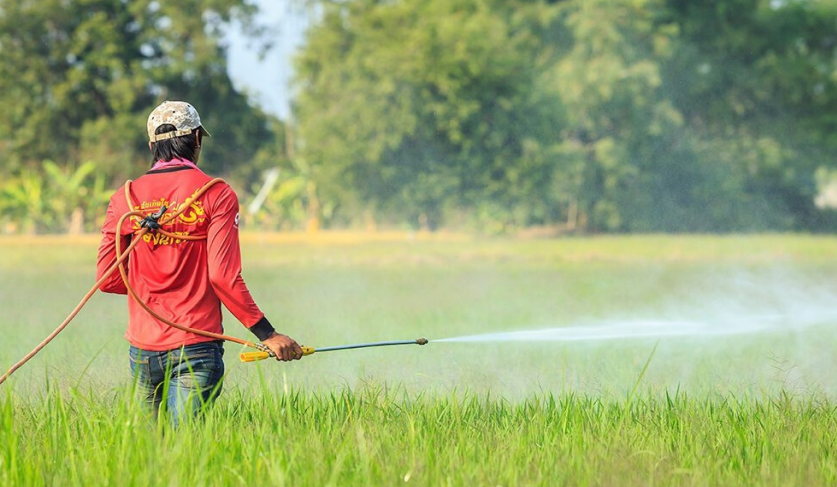
Agriculture is the backbone of Pakistan’s economy, with Punjab serving as the country’s primary food basket. To protect crops from pests, weeds and diseases, pesticides are widely used during cultivation. While these chemicals play a role in securing food production, their excessive, improper, or unregulated use has raised serious concerns about invisible pesticide residues entering the food chain and their long-term effects on human health.
Pesticide Use in Punjab and Pakistan
Pakistan relies heavily on chemical pesticides in the cultivation of major crops such as wheat, rice, cotton, vegetables, fruits and sugarcane. Commonly used categories include insecticides, herbicides and fungicides. In Punjab, intensive farming practices, multiple cropping cycles and pressure to maximize yields have led to frequent pesticide applications, often without adequate training or adherence to safety guidelines.
Policy data from provincial agriculture departments indicate that pesticides are sometimes applied in higher-than-recommended doses, at incorrect stages of crop growth or without observing prescribed waiting periods before harvest. Such practices significantly increase the risk of pesticide residues remaining on food when it reaches markets and households.
Invisible Residues on Food
Pesticide residues are small quantities of chemicals that remain on or within food after harvesting, processing and storage. These residues are not visible, cannot be removed completely by washing and may accumulate over time through repeated dietary exposure.
Monitoring reports by food safety authorities in Pakistan have repeatedly detected pesticide residues on vegetables and fruits, particularly leafy greens, tomatoes, chilies, gourds, apples and citrus. While some residues fall within permissible limits, others exceed Maximum Residue Limits (MRLs) established under international food safety standards endorsed by the World Health Organization and the Food and Agriculture Organization.
Health Effects of Long-Term Pesticide Exposure
Unlike acute poisoning, which produces immediate symptoms, chronic exposure to low levels of pesticide residues can silently affect health over years. Scientific research links long-term dietary exposure to pesticides with multiple health outcomes:
Endocrine and Hormonal Disruption
Many pesticides act as endocrine-disrupting chemicals, interfering with hormone regulation. Chronic exposure has been associated with reproductive disorders, thyroid dysfunction, delayed puberty, menstrual irregularities and reduced fertility.
Neurological and Cognitive Effects
Certain pesticides affect the nervous system and have been linked to memory impairment, reduced cognitive performance, developmental delays in children and increased risk of neurodegenerative disorders with prolonged exposure.
Cancer Risk
Epidemiological studies associate long-term pesticide exposure with increased risks of certain cancers, including leukemia, lymphoma and hormone-related cancers. Repeated low-dose exposure through food is considered a significant contributor.
Immune and Metabolic Effects
Pesticides can weaken immune response, increase oxidative stress and contribute to insulin resistance and metabolic disorders, particularly when combined with poor diet quality.
Children, pregnant women, agricultural workers and the elderly are especially vulnerable due to higher exposure levels or increased biological sensitivity.
Regulatory Framework and Monitoring in Pakistan
Pakistan has a regulatory framework governing pesticide registration, import, sale and use, overseen by federal and provincial authorities. In Punjab, food monitoring and residue testing are carried out by the Punjab Food Authority in coordination with agriculture and laboratory services.
Additionally, environmental oversight is provided by the Pakistan Environmental Protection Agency, while agricultural extension services guide farmers on pesticide application. Despite these systems, enforcement challenges remain due to limited laboratory capacity, fragmented supply chains and lack of farmer awareness.
Policy reports highlight gaps in farmer training, inadequate labeling comprehension, illegal sale of banned pesticides and weak compliance with pre-harvest intervals as key contributors to residue problems.
High Risk, High Exposure in Punjab
Punjab’s dense population, intensive vegetable cultivation and reliance on local markets increase public exposure to pesticide residues. Small-scale farmers often lack access to integrated pest management techniques and depend heavily on chemical solutions promoted by informal dealers.
Urban consumers, particularly those with limited purchasing power, are more likely to consume produce from unregulated sources, increasing the risk of exposure to unsafe residue levels.
Reducing Risk: Policy and Public Health Interventions
To protect public health, experts recommend a multi-sectoral approach:
- Strengthening farmer education on correct pesticide use, dosage and waiting periods
- Promoting integrated pest management (IPM) to reduce chemical dependence
- Expanding residue monitoring and laboratory testing capacity
- Strict enforcement against banned and counterfeit pesticides
- Public awareness campaigns on washing, peeling and cooking practices that reduce surface residues
- Encouraging organic and low-input farming models, particularly for vegetables and fruits
Consumers can also reduce exposure by diversifying diets, avoiding excessive consumption of a single food item and preferring seasonal, locally sourced produce from trusted suppliers.
A Hidden but Preventable Threat
Pesticides have become an integral part of modern agriculture in Punjab and Pakistan, but their invisible residues pose a long-term threat to human health if left unchecked. While pesticides are not inherently harmful when used responsibly, misuse during cultivation and weak regulatory enforcement amplify risks for the entire population.
Addressing pesticide residues requires stronger policy enforcement, improved agricultural practices and informed consumer choices. Ensuring food safety is not only an agricultural challenge but a public health imperative essential for protecting current and future generations.
Author:
Mohsin Bhatti
Anchor Person / Research Analyst

Send your feedback via email info@asianburg.com