




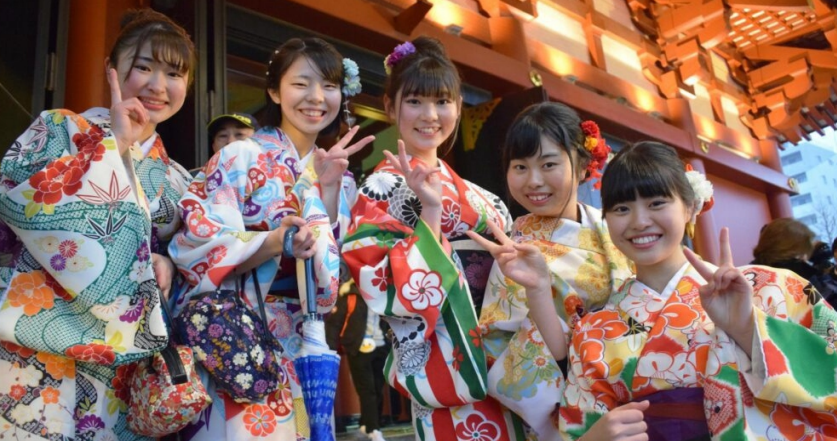
Japan has one of the largest populations of centenarians, reflecting sustained health into very old age rather than merely survival with prolonged illness. The country is widely recognized as one of the healthiest and longest-living societies in the world, with many people reaching 100+ years in regions often referred to as “longevity hotspots” or Blue Zones. This remarkable lifespan is supported by a combination of factors, including a nutrient-rich traditional diet, regular physical activity, strong family and community bonds, high-quality healthcare and low-stress living. According to global demographic and health statistics, Japan consistently ranks among the top countries for life expectancy, with an average lifespan exceeding 84 years. This longevity advantage is neither accidental nor solely genetic, a substantial body of evidence from epidemiology, nutrition science and public health research indicates that daily lifestyle practices play a central role in enhancing disease resistance and promoting healthy aging in the Japanese population.
- Life Expectancy and Healthy Aging: The Data
Japan not only has a high life expectancy but also a high healthy life expectancy, meaning more years lived without disability or chronic illness. Reports from the World Health Organization show that Japan has:
- Lower premature mortality from cardiovascular diseases
- Lower obesity rates compared to most high-income countries
- Reduced incidence of diet-related non-communicable diseases
Importantly, Japan also has one of the largest populations of centenarians, reflecting sustained health into very old age rather than survival with prolonged illness.
- Dietary Patterns and Disease Prevention
The traditional Japanese diet is a cornerstone of longevity research. It is characterized by:
- High intake of fish and seafood (omega-3 fatty acids)
- Regular consumption of soy products (tofu, miso, natto)
- Abundant vegetables, seaweed and fermented foods
- Low consumption of ultra-processed foods and added sugars
Large cohort studies published in peer-reviewed journals show that adherence to Japanese dietary guidelines is associated with lower all-cause mortality and reduced cardiovascular risk. These dietary patterns contribute to:
- Improved lipid profiles
- Better insulin sensitivity
- Reduced systemic inflammation
Fermented foods further support gut microbiome diversity, which is increasingly recognized as a key factor in immune regulation and metabolic health.
- Portion Control and Energy Balance
A culturally ingrained practice often cited in longevity research is moderation in eating. Traditional meals are smaller, visually balanced and emphasize variety over volume. This supports:
- Lower average caloric intake
- Reduced obesity prevalence
- Better long-term metabolic regulation
Scientific evidence suggests that mild calorie moderation without malnutrition activates cellular pathways associated with improved mitochondrial function and slower biological aging.
- Physical Activity as a Daily Norm
Unlike exercise models that rely on gyms or structured workouts, physical activity in Japan is embedded into everyday life. Walkable neighborhoods, public transportation and active commuting result in:
- Higher daily step counts
- Improved cardiovascular fitness
- Lower sedentary time
Older adults often remain physically active well into later life, preserving muscle mass, balance and functional independence key determinants of healthy aging.
- Stress Regulation, Social Structure and Mental Health
Chronic stress is a known driver of inflammation, immune dysfunction and cardiometabolic disease. Japanese society emphasizes:
- Social cohesion and community belonging
- Respect for routine, order and predictability
- A sense of life purpose, often described through cultural frameworks of meaning and contribution
Population studies link strong social ties and psychological purpose with lower mortality risk, reduced cognitive decline and better immune resilience.
- Inflammation, Immunity and Biological Aging
Comparative studies between Japanese and Western populations show that Japanese adults often exhibit:
- Lower levels of inflammatory biomarkers (e.g., CRP, IL-6)
- Better vascular function
- Slower progression of age-related metabolic disorders
These physiological advantages are closely tied to diet quality, physical activity, sleep patterns and stress regulation rather than genetic differences alone.
Notably, studies on Japanese populations living abroad demonstrate that when traditional lifestyles are replaced with Westernized diets and sedentary habits, the longevity advantage declines, reinforcing the role of environment and behavior.
- Healthcare Access and Preventive Culture
Japan’s universal healthcare system supports early diagnosis, regular health screening and preventive care. However, healthcare works in synergy with lifestyle not as a substitute for it. Preventive behaviors such as:
- Routine health checkups
- Early dietary adjustments
- Active aging policies
help reduce disease burden before it becomes severe or costly.
A System Built on Daily Choices
Japan’s exceptional lifespan is the result of cumulative daily habits, not isolated interventions. Nutrition quality, portion control, habitual movement, social stability, stress moderation and preventive healthcare together create a biological environment that supports longevity and disease resistance.
For global audiences, the Japanese example offers a clear lesson: long life is not achieved through medical advances alone but through consistent, sustainable lifestyle patterns practiced across the lifespan.
Send your feedback via email info@asianburg.com