


When a “Complete Food” Becomes a Health Hazard
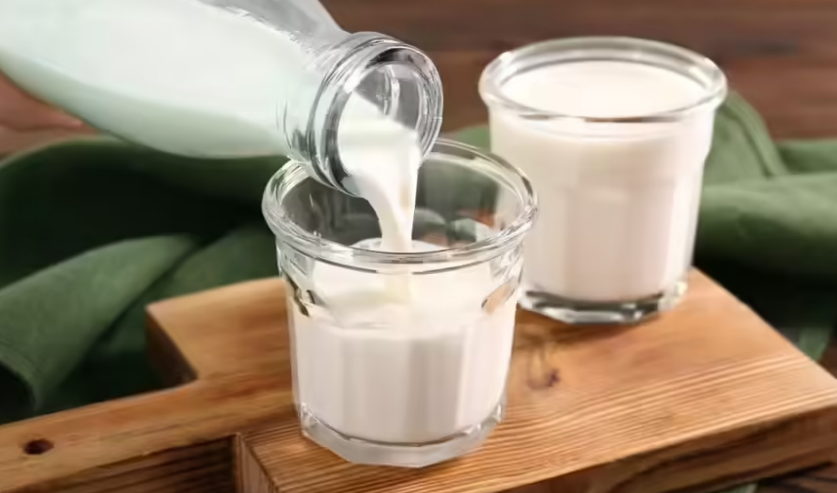
Milk has long been regarded as one of nature’s most complete foods. Rich in high-quality proteins, essential fats, carbohydrates, vitamins and minerals, it plays a foundational role in human nutrition—particularly for infants, growing children, pregnant women and the elderly. In many societies, milk is consumed daily and trusted implicitly as a symbol of purity and nourishment.
However, this trust is increasingly being undermined. Across many parts of the world, especially in developing countries, milk adulteration has emerged as a serious public health concern. The deliberate addition of foreign, inferior or harmful substances to milk often driven by economic gain compromises not only its nutritional quality but also consumer safety. Studies have repeatedly shown that adulterated milk can act as a vehicle for toxic chemicals, pathogens and carcinogenic compounds, leading to both acute and long-term health consequences (Tipu et al., 2007; Javaid et al., 2009).
Milk adulteration may involve seemingly harmless practices, such as dilution with water, or far more dangerous interventions, including the addition of detergents, formalin, urea, hydrogen peroxide and other chemicals. In addition, biological contamination from microbes and toxins such as aflatoxins further exacerbates the risk. Understanding the types of adulterants, their purposes and their health impacts is essential for consumer awareness, regulatory action and food safety enforcement (Alonso et al., 2012).
Why Milk Is Adulterated
Milk adulteration is largely motivated by economic incentives. By adding water or low-cost substances, suppliers can increase volume, improve visual appeal, mask spoilage or artificially enhance density and solids-not-fat (SNF) content. In poorly regulated supply chains, these practices often go undetected, exposing large populations to unsafe food.
While some adulterants merely reduce nutritional value, others are highly toxic even in small amounts posing serious risks to organs such as the liver, kidneys, heart and nervous system.
Major Milk Adulterants and Their Health Effects
- Water
Water is the most common adulterant added to milk to increase volume and reduce cost (Francis et al., 2020). While dilution with clean water lowers nutritional value, the use of contaminated water is far more dangerous. It can introduce pathogenic bacteria, viruses and parasites, leading to diarrhea, typhoid, cholera and other gastrointestinal infections. Vulnerable populations including infants, the elderly and immunocompromised individuals are at highest risk (Bhuiyan & Noor, 2020).
- Detergents and Soap
Detergents are added to emulsify water and oil, producing a thick, foamy, milk-like appearance (Singuluri & Sukumaran, 2014). These substances contain harmful chemicals such as sodium lauryl sulfate, phosphates and dioxane. Consumption can cause nausea, vomiting, diarrhea and irritation of the digestive tract. Long-term exposure has been associated with liver damage, endocrine disruption, cytotoxicity and cancer, particularly due to dioxane, a known carcinogen (Raturi et al., 2022; Cheng et al., 2010).
- Starch
Starch is added to diluted milk to increase thickness and simulate higher fat content. Although starch is a common food ingredient, its unauthorized addition can cause digestive problems such as bloating, abdominal discomfort and diarrhea. For people with diabetes or starch intolerance, it may also disrupt blood glucose control (Singuluri & Sukumaran, 2014).
- Urea
Urea is used to enhance whiteness, increase SNF content and artificially mimic natural milk composition. It is also a component of so-called “synthetic milk.” Even small quantities can cause nausea, vomiting, gastritis and ulcers. Chronic exposure places excessive stress on the kidneys and may damage the liver and heart. Prolonged intake has also been linked to carcinogenic risks (Kandpal et al., 2012).
- Formalin
Formalin is illegally added as a preservative to extend shelf life by inhibiting microbial growth. It is highly toxic and carcinogenic. Ingestion can cause severe abdominal pain, vomiting, kidney and liver damage and long-term cancer risk. Its use in food is strictly prohibited due to its extreme toxicity (Raturi et al., 2022).
- Hydrogen Peroxide
Used to delay spoilage, hydrogen peroxide can irritate the mouth and gastrointestinal lining, causing nausea, vomiting, ulcers and internal bleeding. Chronic exposure may result in oxidative stress and cellular damage (Lindmark-Månsson & Åkesson, 2000).
- Carbonates (Baking Soda)
Sodium bicarbonate is added to neutralize acidity in spoiled milk, giving it a fresh appearance. Excess intake can disturb the body’s acid-base balance, leading to bloating, muscle weakness, alkalosis and kidney stress especially dangerous for individuals with renal or cardiac conditions.
- Hypochlorite
Hypochlorite compounds are sometimes used as disinfectants or preservatives. Ingesting them can cause gastrointestinal irritation, abdominal pain, vomiting and long-term liver and kidney damage. Children are particularly vulnerable to its toxic effects (Cheng et al., 2010).
- Boric Acid
Boric acid is illegally used to extend shelf life. Acute exposure causes nausea, diarrhea, vomiting and stomach cramps, while chronic intake may lead to kidney damage, neurological effects, reproductive toxicity and in severe cases, death. Infants and children are especially at risk (Guan et al., 2005; Francis et al., 2020).
- Skimmed Milk Powder
Skimmed milk powder is added to mask dilution by increasing SNF content. While not inherently toxic, it alters the natural nutritional balance of milk. When low-quality or contaminated powder is used, it can introduce microbial or chemical hazards. Its use as an adulterant constitutes food fraud and may indirectly compromise health (Singuluri & Sukumaran, 2014).
- Salt and Added Sugar
Salt increases density, while sugar or glucose masks dilution. Excess sodium intake may contribute to hypertension and kidney stress, while added sugars increase the risk of obesity, diabetes and dental caries particularly in children (Reddy et al., 2017).
- Vegetable Fat and Vanaspati
Vegetable oils and vanaspati ghee are used to imitate milk fat. These may contain trans fats, which raise LDL cholesterol, lower HDL cholesterol and increase the risk of cardiovascular disease, obesity and type 2 diabetes (Guan et al., 2005).
- Aflatoxins
Aflatoxins originate from mold-contaminated animal feed and appear in milk as aflatoxin M1. They are potent carcinogens and hepatotoxins. Chronic exposure is linked to liver cancer, immune suppression and impaired child growth, even at low levels (Singuluri & Sukumaran, 2014).
- Antibiotic Residues
Antibiotics used in dairy cattle may persist in milk if withdrawal periods are ignored. These residues can trigger allergic reactions, contribute to antimicrobial resistance, disrupt gut microbiota and in some cases, exhibit carcinogenic potential. They also interfere with dairy fermentation processes, causing economic losses (Das et al., 2016).
- Microbial Contamination
Poor hygiene during milking, storage, or transport can introduce pathogens such as E. coli, Salmonella, Listeria monocytogenesand Mycobacterium tuberculosis. These organisms cause serious illnesses ranging from gastroenteritis to tuberculosis and can be life-threatening for pregnant women and immunocompromised individuals (Guan et al., 2005).
Protecting a Staple Food
Milk adulteration is not merely a matter of food fraud it is a serious public health threat. The presence of toxic chemicals, harmful microorganisms and deceptive additives undermines nutritional security and places millions at risk of acute illness and chronic disease.
Addressing this issue requires a multi-sectoral approach including stronger regulatory enforcement, routine surveillance, public awareness campaigns and strict penalties for offenders. Equally important is empowering consumers with knowledge, enabling them to make informed choices and demand safer food.
Protecting milk means protecting health especially that of children, who depend on this “complete food” for growth, development and survival.
Author:
Dr. Farhan Aslam
Food Technologist
Send your feedback via email info@asianburg.com