




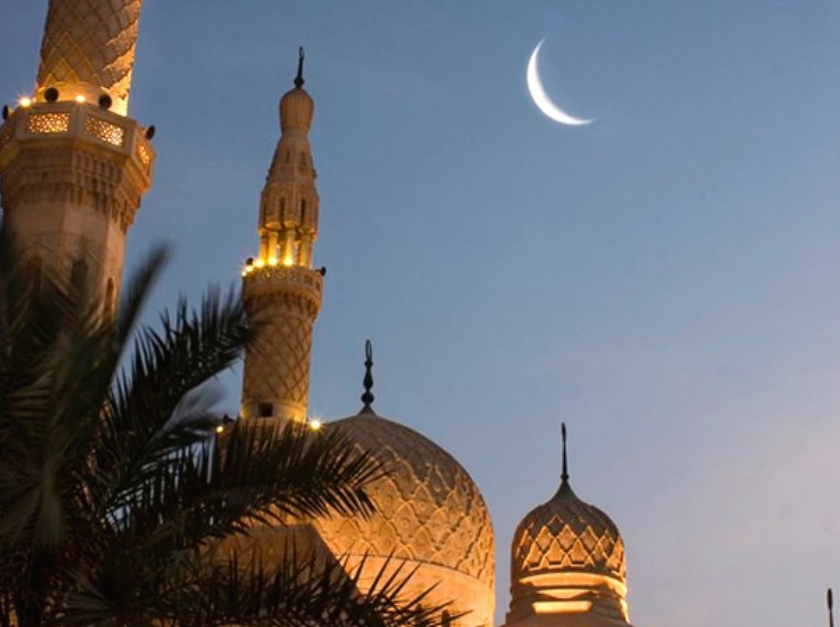
Before Eid arrives, it announces itself through Chand Raat
The anxious waiting for the moon, the sudden confirmation, the rush of joy spreading through neighborhoods and phone calls made with excitement. Markets glow late into the night, bangles clink, mehndi stalls overflow and children stay awake longer than allowed.
Chand Raat was never just about sighting the moon, it was about anticipation, togetherness and the feeling that something sacred was about to begin. Even today, when moon sightings reach us through screens, the emotional pull of that night still stirs nostalgia for crowded bazaars, laughter and sleepless excitement.
After iftar, the news would spread quickly. In most homes, it was the elderly woman, often the mother, who became the most excited, preparing localized traditional sweet dishes for the family. Mothers readied their children with care, knowing Eid was nearby.
Eid Morning A Prayer That Once Defined the City
Eid begins before sunrise, with hearts lighter than air and homes filled with quiet excitement. Whether in a small village, a bustling megacity or a distant diaspora community, Eid prayer remains the spiritual anchor of the day. Men, women and children walk toward mosques and open grounds dressed in their finest clothes, exchanging smiles with strangers who feel like family. After prayer come hugs, greetings and shared joy.
Yet urbanization has quietly altered this ritual. Vast open Eid grounds have given way to crowded mosques, limited parking and rushed prayers. Many city dwellers now pray in shifts or within apartment complexes, missing the sea of worshippers that once symbolized unity. Traffic schedules, work commitments and distance mean some miss Eid namaz entirely, catching glimpses through broadcasts or social media. While faith remains unchanged, the collective physical experience has narrowed, reminding us how space shapes spirituality.
Why We Still Begin Eid with Something Sweet
One of the most universal Eid customs is eating something sweet before or after the prayer, dates, sheer khurma, baklava, maamoul, kheer or regional desserts. After a month of fasting, sweetness represents gratitude, celebration and the return to lawful nourishment.
Over time, sweets became emotional currency, exchanged between neighbors, guests and relatives as gestures of love. Today, boxed mithai, designer desserts and imported chocolates dominate Eid tables, reflecting convenience and commercialization. Still, that first bite on Eid morning continues to signal joy and emotional attachment to the festival.
Mehndi Hands That Carried Stories
Mehndi was once an unspoken language of Eid. Women and girls gathered on Chand Raat, hands stretched forward as stories, laughter and secrets flowed. The designs were imperfect, yet filled with love, applied by sisters, friends and neighbors. The fragrance of henna lingered into Eid morning, becoming part of memory itself.
Today, mehndi is often pre booked, professionally applied or replaced by instant cones and stickers. The art remains beautiful, but the communal ritual around it has thinned. What was once shared time has become scheduled beauty.
From Handwritten Cards to Instant Wishes
In the 1980s and 1990s, Eid cards were treasures. Children waited eagerly for colorful envelopes decorated with moons, mosques and glittering calligraphy. Cards were displayed proudly and saved long after Eid had passed. Each carried handwriting, effort and emotional weight.
Today, Eid wishes travel instantly through messages, stories and animated greetings. Global reach has increased, yet the pause, the intention and the tactile memory have faded. Wishes are abundant but fleeting.
Retail Lights and the Business of Celebration
As the crescent approaches, markets come alive, but differently than before. Traditional bazaars now compete with malls, online stores and branded campaigns. Eid editions, influencer promotions and countdown sales define trends rather than reflect heritage.
Shopping, once rooted in conversation and bargaining, has become fast, curated and algorithm driven. Eid remains festive, but increasingly commercial.
Urban Living and the Quiet Shrinking of Community
In older neighborhoods, doors stayed open all day. Children moved freely, elders gathered without invitation and visits were spontaneous. In today’s apartments and gated societies, Eid visits are scheduled, shortened or replaced by calls. Comfort, efficiency and privacy have come at the cost of shared presence. The warmth remains, but it requires more effort to reach.
Eidi A Tradition Wrapped in Love and Memory
For many of us, the most cherished part of Eid was not the clothes or sweets, but the quiet moment when grandparents pressed a crisp note into our hands with a smile and a blessing. That simple gesture carried warmth and affection far beyond its monetary value.
Eidi symbolized love, continuity and family bonds, teaching us joy, gratitude and even the first lessons of saving and sharing. Long after the money was spent, the feeling remained.
When Celebration Became Content
Digital life has transformed Eid into a visual performance. Outfits, tables and moments are curated for screens. While sharing joy is natural, the pressure to display perfection can overshadow gratitude and presence. Children remember Eid through photos more than games and conversations are often interrupted by notifications.
Clothing Between Heritage and Hybrid Identity
Traditional Eid clothing once spoke clearly of region and history. Today, fashion blends heritage with global influence. Designs evolve, fabrics travel and identities mix. Tradition has not vanished, it adapts quietly, sometimes losing clarity, sometimes gaining freedom.
Looking Back Without Losing Today
Eid in the 1980s and 1990s lives warmly in memory because life moved slower and bonds felt closer. There were fewer choices, fewer distractions and deeper presence. Yet today’s Eid offers connection for families spread across continents, inclusion for those once distant and new forms of expression.
Eid has not disappeared, it has transformed.
Holding the Crescent in a Changing World
Eid will continue to evolve, shaped by cities, technology and culture. The challenge is not resisting change, but protecting meaning. Digital greetings paired with personal calls, modern fashion worn with cultural pride and sweets shared with intention.
As long as Eid prayer gathers hearts and sweetness opens the morning, the spirit of Eid will endure, quietly adapting yet unmistakably alive.
Author:
Munir Hussain Chopra
Civil Servant of Pakistan

Send your feedback via email info@asianburg.com