



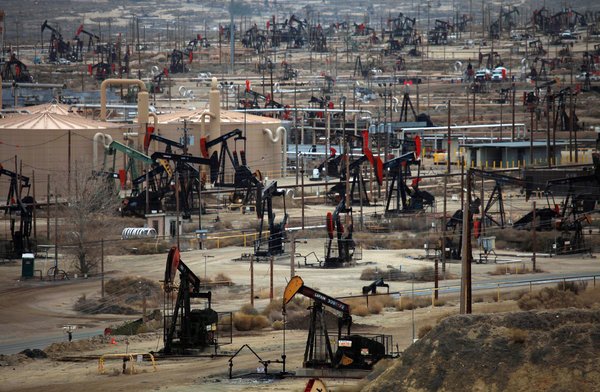
The United States has solidified its position as the world’s largest crude oil producer with output averaging roughly 13.6 million barrels per day in 2026 surpassing both Russia and Saudi Arabia and underscoring its dominance in global production.
This surge reflects the impact of the U.S. shale revolution, led by major unconventional oil plays such as the Permian Basin, Bakken and Eagle Ford, where hydraulic fracturing and horizontal drilling unlocked vast tight oil reserves previously unreachable. These technologies transformed the United States from a major oil importer into the top producer reshaping global energy markets and challenging long‑standing assumptions about supply patterns.
Despite this leadership, shale oil production remains more expensive than conventional Middle Eastern crude. In nations like Saudi Arabia, oil often flows naturally from reservoirs under pressure enabling production at extremely low cost compared with the higher operational expenses of U.S. fracking often between $40 and $60 per barrel or more depending on basin economics and infrastructure costs. This cost gap illustrates why OPEC producers still wield significant influence in price formation.
Meanwhile, Venezuela holds the largest proven oil reserves in the world totaling about 300 billion barrels, yet produces only a fraction of its capacity due to technical challenges, ageing infrastructure, political turmoil and sanctions. Its heavy crude is both costly to extract and difficult to refine without the right facilities meaning that vast reserves do not translate directly into market power or short‑term supply increases.
Russia also contends with higher effective production costs in some regions, particularly Western Siberia, where logistical hurdles, sanctions and energy export restrictions have raised costs and limited output growth. This demonstrates that reserve size alone does not determine influence in global energy markets; accessibility, production cost, technology and geopolitical context matter just as much.
The interplay of these factors means the global oil landscape is shaped not only by who holds the most crude in the ground but by who can produce efficiently, export reliably and respond to geopolitical disruptions. While the U.S. leads in total output through high‑cost shale production, traditional low‑cost producers in the Middle East retain strategic advantages that help shape price, supply policy and long‑term market stability.
The global oil market is no longer defined purely by reserve estimates. Production efficiency, technological capability and geopolitical factors determine supply resilience and market influence. The United States remains the top producer with a robust shale base but conventional producers with low production costs continue to hold critical strategic positions. This complex dynamic will shape pricing, energy policy and international relations for years to come.
Keywords:
U.S. shale revolution 2026, global oil production ranking, Permian Bakken Eagle Ford, Saudi Arabia oil reserves, Russia oil output, Venezuela largest oil reserves, heavy vs light crude cost, fracking technology impact, global oil market dynamics, oil price factors, energy geopolitics, crude production costs, international oil supply trends 2026
Asian Burg | Global News Desk
Send your feedback via email info@asianburg.com