




Leading cardiologists in the United States have released updated guidelines for managing high cholesterol offering new strategies to reduce the risk of heart disease and stroke. The recommendations, developed by experts from the American College of Cardiology and the American Heart Association, update their previous 2018 guidance.
As highlighted in research published in the Journal of the American College of Cardiology, the new guidelines emphasize earlier detection of high cholesterol, improved risk assessment tools and a stronger focus on prevention. Experts note that identifying risks at a younger age can significantly improve long-term heart health outcomes.
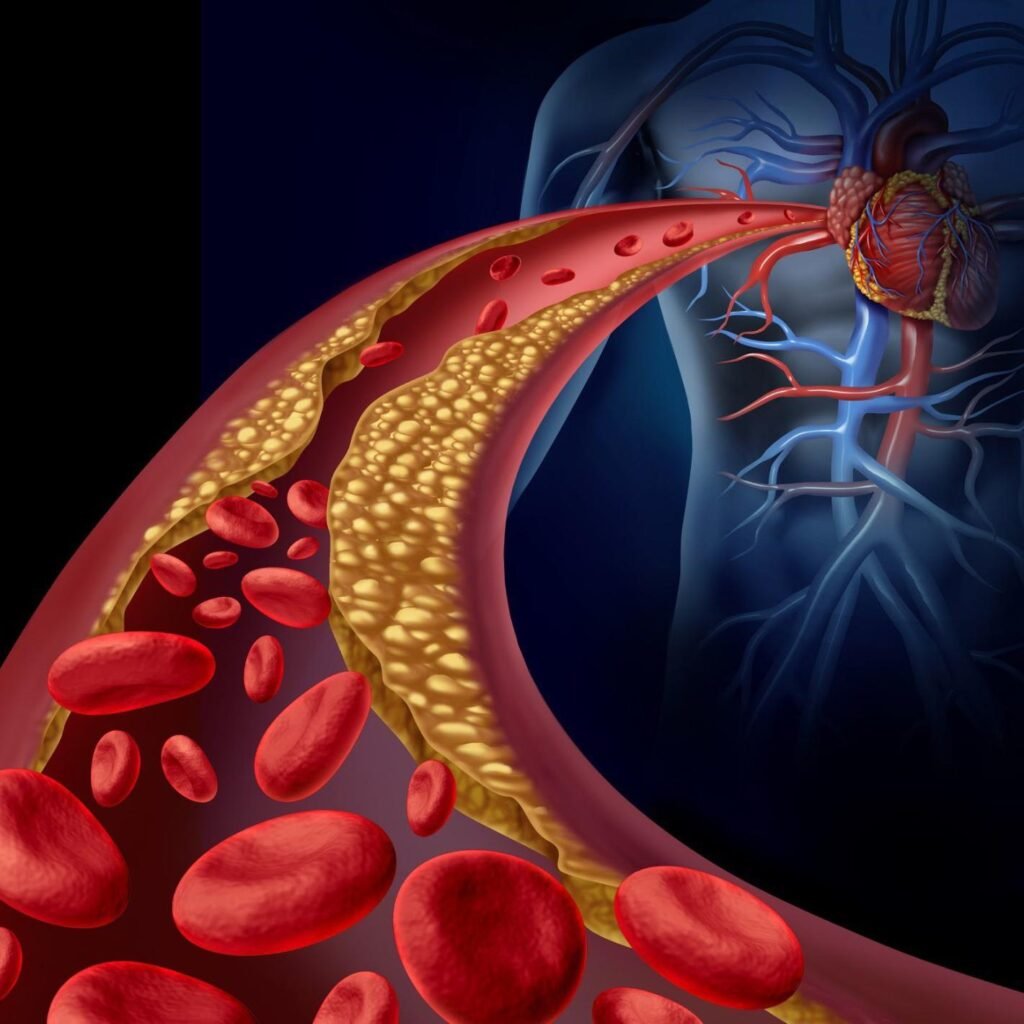
Cholesterol is a fatty substance essential for building cells and hormones but imbalance can be harmful. Low density lipoprotein, often referred to as “bad” cholesterol can build up in arteries and restrict blood flow. High-density lipoprotein known as “good” cholesterol helps remove excess cholesterol from the bloodstream.
According to the study, one of the key updates includes earlier screening for individuals with a family history of heart disease or high cholesterol. The guidelines also recommend more personalized risk assessments and in certain cases, earlier use of medication.
A major shift in the updated framework is the use of the PREVENT risk calculator to assess cardiovascular disease risk. This method enhances how clinicians evaluate the likelihood of heart attacks and strokes, particularly among patients with high blood pressure.
Despite these updates, the core health advice remains unchanged. A balanced diet, regular physical activity, healthy weight management, sufficient sleep and avoiding smoking continue to be the most effective ways to control cholesterol levels.
For some individuals, lifestyle adjustments alone may not be sufficient. In such cases, cholesterol lowering medications are recommended as part of a broader treatment strategy.
Research also indicates that lower levels of bad cholesterol are strongly associated with reduced risk of heart attacks, strokes and heart failure. Early intervention is critical as elevated cholesterol can begin affecting cardiovascular health from a young age.
It is estimated that nearly one in four adults in the United States has elevated levels of bad cholesterol contributing to Atherosclerotic cardiovascular disease, the leading cause of death worldwide. However, studies suggest that up to 80 percent of cardiovascular disease cases are preventable through timely intervention and lifestyle changes.
Experts also point to additional contributing factors such as diabetes, alcohol intake and body fat levels. Emerging areas of concern including vaping and cannabis use, are being examined for their potential impact on heart health.
The updated guidelines aim to provide clinicians with better tools to identify risk earlier and improve long-term health outcomes reinforcing the importance of prevention in reducing the global burden of cardiovascular disease.
Keywords:
cholesterol guidelines 2026, US cardiology guidelines, LDL vs HDL cholesterol, heart disease prevention tips, how to lower cholesterol, cardiovascular risk assessment PREVENT, American Heart Association guidelines, high cholesterol treatment, prevent heart attack naturally, cardiovascular disease prevention
Asian Burg Editorial Desk