



A fragile two-week ceasefire between the United States and Iran was meant to pause escalating conflict and open the door to negotiations. Instead, it has exposed a deeper problem: both sides appear unable to agree on what the deal actually includes.
The truce, announced under pressure just hours before a deadline set by Donald Trump was initially seen as a diplomatic breakthrough. But within days conflicting interpretations and continued regional violence have cast serious doubt on its credibility and durability.
Dispute Over Lebanon’s Role
One of the most contentious issues centers on whether Lebanon was included in the ceasefire. When Prime Minister Shehbaz Sharif first announced the agreement, he indicated that it applied broadly, including Lebanon.
However, both Washington and Israel rejected that interpretation maintaining that operations against Hezbollah targets in Lebanon fall outside the agreement. Tehran, on the other hand, insists these strikes violate the ceasefire calling them evidence of bad faith.
Even Pakistan, which played a key intermediary role, has stood by its position that Lebanon was part of the deal further deepening the diplomatic confusion.
The Strait of Hormuz Question
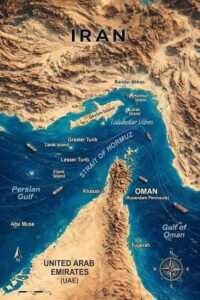
Another major point of contention is the status of the Strait of Hormuz, a critical route for global energy shipments.
Iran has suggested that maritime traffic would continue but under its coordination, effectively asserting partial control. Early signals from Washington appeared to accept some form of managed access.
Yet within hours, US officials shifted tone emphasizing that the strait must remain fully open without restrictions. The lack of clarity has left shipping lanes congested and markets uneasy underscoring the strategic importance of the waterway.
Conflicting “10-Point Plans”
Further complicating matters are disagreements over the framework for future negotiations. President Trump referenced a “workable” 10-point proposal from Iran, but Tehran later publicized a version that appeared heavily tilted toward its own demands.
US officials have since claimed that a different, more moderate proposal exists, though no details have been released. Meanwhile, Iranian leaders continue to insist that their publicly shared plan reflects the actual basis of discussions.
This disconnect raises serious questions about whether both sides ever shared a common understanding of the deal in the first place.
A Fragile Path Forward
Despite the ceasefire, violence has not fully subsided and mistrust remains high. Analysts warn that the agreement’s rushed nature and vague terms could undermine efforts to negotiate a lasting peace.
The involvement of multiple actors including Pakistan as mediator adds another layer of complexity, particularly when even intermediaries and primary parties disagree on key provisions.
For now, the ceasefire appears less like a stable agreement and more like a temporary pause shaped by urgency rather than clarity. Whether it evolves into a meaningful diplomatic breakthrough or collapses under its own contradictions will depend on whether both sides can align on the fundamentals they have yet to clearly define.
Keywords:
Iran ceasefire, US-Iran tensions, Strait of Hormuz, Lebanon conflict, Donald Trump, Shehbaz Sharif, Middle East crisis, Geopolitics, Diplomacy, Global security
Asian Burg | Global Desk (Analysis)
Send your feedback via email info@asianburg.com