




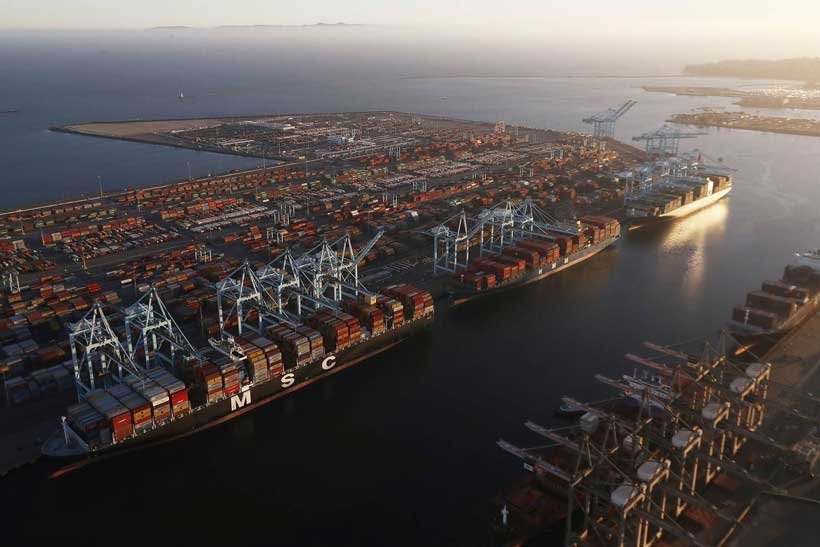
Rising tensions involving the United States, Israel and Iran have created economic challenges for Pakistan but they have also opened a potential avenue for revenue growth through transshipment trade.
Transshipment refers to the temporary handling and storage of cargo at an intermediary port before it is shipped to its final destination. This process allows ports to generate income through handling and service charges. Regional hubs such as Jebel Ali and Salalah have long dominated this sector but Pakistan is now positioning itself to capture a share of this lucrative market.
Experts suggest Pakistan could handle between 500,000 to 600,000 containers annually with estimated earnings of $20 to $25 per container. This presents a significant opportunity to boost port revenues and strengthen the country’s role in regional trade logistics.
However, to realize this potential, policy reforms are essential. Current regulations, such as the 30-day shipment return rule, limit operational flexibility and discourage international cargo handlers. Additionally, restrictions on the use of off-dock terminals create capacity issues, as existing port facilities are already strained due to export and import congestion.
By relaxing these policies and expanding infrastructure support, Pakistan could position itself as a competitive transshipment hub. Such changes would not only attract greater global cargo traffic but also enhance the country’s integration into international supply chains.
As geopolitical shifts reshape trade routes, Pakistan’s ability to adapt quickly may determine whether it can convert regional instability into a long-term economic advantage.
Keywords:
Pakistan transshipment, regional trade hub, US Iran Israel tensions, port revenue Pakistan, Jebel Ali port, Salalah port, logistics trade opportunity, container handling Pakistan, port policy reforms, global shipping routes
Asian Burg | Global Desk
Send your feedback via email info@asianburg.com