




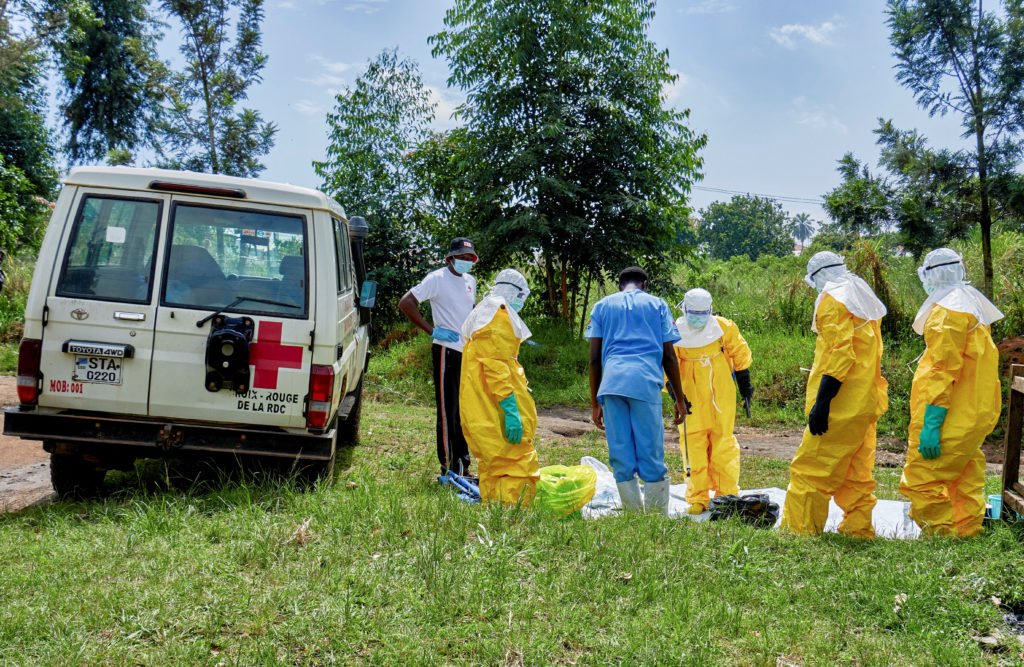
A deadly outbreak of Ebola in Democratic Republic of the Congo is raising serious concerns about the global response to health crises with aid workers warning that funding cuts have weakened containment efforts.
According to the World Health Organization, more than 170 deaths and nearly 750 suspected cases have been linked to the outbreak. Officials believe the actual scale may be significantly higher with the virus possibly circulating undetected for months.
Delayed Detection and Weak Infrastructure
Health experts say multiple factors contributed to the delayed response, including:
A rare strain of Ebola with no specific vaccine
Limited testing facilities in remote regions
Weak healthcare infrastructure
Ongoing conflict in affected areas
Samples reportedly had to be transported long distances for confirmation slowing early detection and containment.
Impact of US Aid Cuts
Aid organizations and health experts point to reduced US funding as a key factor behind the weakened response.
The administration of Donald Trump implemented several measures affecting global health systems:
Withdrawal of funding from the WHO
Dismantling of the USAID
Budget cuts to the Centers for Disease Control and Prevention
Reduction in health aid to affected countries
Experts say these actions disrupted disease surveillance, staffing and supply chains critical for outbreak response.
Strain on Ground Response
Humanitarian groups report shortages of essential medical supplies including protective equipment such as gloves, masks and gowns.
Organizations like the International Rescue Committee say weakened surveillance systems and reduced funding contributed to delays in identifying and responding to the outbreak.
Healthcare facilities are now struggling to cope with emergency teams forced to airlift basic supplies that were previously stocked.
Conflicting Views from Officials
US officials have rejected claims that funding cuts affected the response stating that emergency assistance has been mobilized quickly.
The US government recently announced $23 million in aid, aimed at supporting surveillance, treatment centers and containment measures in the region.
However, former aid officials argue that the dismantling of long-standing programs and partnerships has reduced coordination and trust on the ground.
Broader Global Implications
Experts warn that the crisis reflects a wider issue: reduced global investment in public health systems.
Other major donors, including European countries have also scaled back aid, further straining international response mechanisms.
The outbreak highlights how cuts to programs targeting diseases like HIV and malaria can indirectly weaken systems needed to combat new epidemics.
Conclusion
The Ebola outbreak in DR Congo underscores the importance of sustained global health investment.
Experts stress that effective epidemic response depends not only on emergency funding but also on strong, continuous health systems, trained personnel and international coordination.
Without long-term commitment, they warn future outbreaks could become even more difficult to contain.
Keywords:
ebola outbreak africa 2026
dr congo health crisis
global aid cuts impact health
who ebola response
usaid funding cuts africa
cdc global health programs
infectious disease outbreak africa
humanitarian crisis congo
global health security
ebola virus spread
Asian Burg | World
Send your feedback via email info@asianburg.com


