




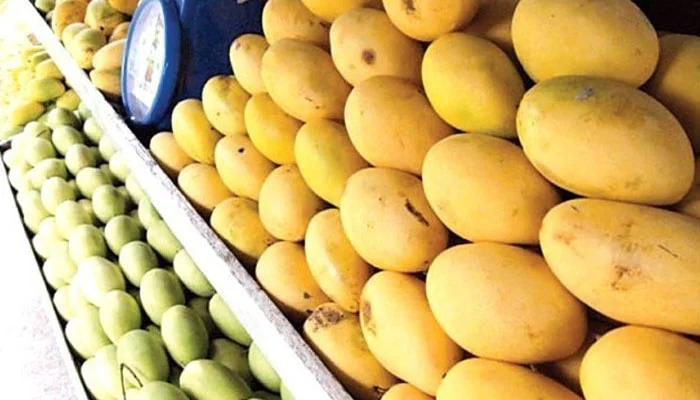
Pakistan’s mango industry, often celebrated as a symbol of agricultural pride is facing a significant setback in 2026 as geopolitical tensions in the Middle East disrupt trade flows and economic stability. The ongoing conflict has not only reduced demand in key export markets but has also triggered a chain reaction affecting shipping costs, domestic inflation and overall market confidence.
The mango harvesting season, which begins in June in Sindh, arrived with high expectations but quickly turned challenging. Exporters anticipate a decline of nearly 30 per cent in international sales this year, largely due to reduced demand from Gulf countries, Iran and Afghanistan regions that traditionally account for the majority of Pakistan’s mango exports. With conflict affecting these areas, trade routes have weakened and market access has become increasingly uncertain.
The situation has been further complicated by soaring transportation costs. Shipping a container of mangoes, which previously cost around $1,400, has surged to between $6,000 and $7,000. This dramatic increase is linked to disruptions in key maritime routes such as the Strait of Hormuz and rising global energy prices making exports far less profitable for traders.
At the same time, domestic markets have been unable to absorb the surplus supply. Although mango prices have dropped significantly compared to last year, demand remains weak as consumers grapple with rising living costs. Inflation, which climbed to around 10 per cent following the regional crisis has forced households to prioritise essential expenses over seasonal fruits leaving even affordable mangoes with fewer buyers.
For farmers and orchard contractors, the financial strain is severe. Many have struggled to recover their initial investments and some have even abandoned contracts after incurring heavy losses. The uncertainty surrounding export markets and weak local consumption has created a difficult environment for one of the country’s most valuable agricultural sectors.
Pakistan, the world’s fourth-largest mango exporter, typically generates around $110 million annually from mango trade. However, this year’s downturn highlights the vulnerability of an economy heavily reliant on agriculture and external markets. External shocks such as regional conflicts can quickly disrupt supply chains, trade relationships and pricing structures.
While diplomatic efforts have recently led to preliminary agreements aimed at easing tensions in the Middle East, these developments have come too late to significantly impact the current mango season. With the export window lasting only a few months, much of the damage has already been done.
The ongoing crisis also underscores broader structural challenges within Pakistan’s agricultural sector, including dependence on limited export destinations and exposure to global volatility. As the country navigates these difficulties, the mango industry serves as a clear example of how international events can directly affect local livelihoods.
Ultimately, the decline in mango exports in 2026 is not just about reduced trade volumes. It reflects a deeper intersection of geopolitics, economic pressure and market limitations reminding policymakers and stakeholders of the need for diversification, resilience and long-term planning in the agricultural economy.
Keywords:
Pakistan mango export crisis, Middle East conflict trade impact, mango exports Pakistan 2026, Sindh mango farmers losses, Pakistan agriculture economy issues, inflation impact on food demand Pakistan, Strait of Hormuz shipping crisis, fruit export challenges Pakistan, global trade disruption agriculture, Pakistan mango industry analysis
Asian Burg | Business / Agriculture / Economy