




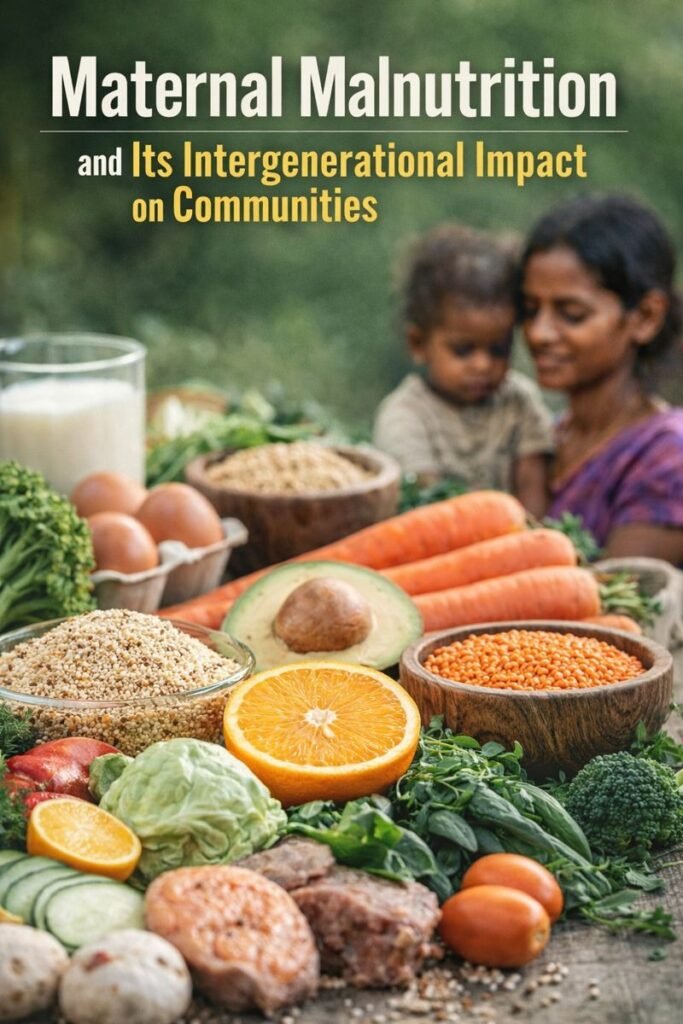
Maternal malnutrition remains a critical public health challenge in Pakistan, with far-reaching consequences for women, children, and communities at large. Inadequate nutrition before and during pregnancy significantly increases the risk of adverse outcomes such as low birth weight, premature birth, and impaired physical growth. Beyond these immediate effects, maternal malnutrition contributes to long-term developmental disadvantages and reinforces cycles of poverty and poor health that persist across generations.
Women of reproductive age in Pakistan face a complex nutritional landscape characterized by both undernutrition and excessive weight gain. High levels of anemia, inadequate dietary intake, and rising rates of overweight and obesity coexist, reflecting deep-seated inequalities in food access, health awareness, and lifestyle conditions. Poor maternal nutrition directly affects fetal development, weakening immunity and limiting cognitive potential in early life, which in turn places long-term strain on healthcare systems and reduces overall social and economic productivity.
The underlying causes of maternal malnutrition are multidimensional. Economic hardship and food insecurity restrict access to diverse and nutritious diets, particularly for women in low-income households. Dietary patterns are often dominated by staple foods, with insufficient intake of fruits, vegetables, pulses, and animal-source foods. Inadequate access to quality healthcare further aggravates the situation, as many pregnant women do not receive regular antenatal monitoring or timely nutritional guidance. Low literacy levels and limited decision-making power within households also constrain women’s ability to prioritize their own nutritional needs and those of their children.
The impact of maternal malnutrition extends well beyond pregnancy and early childhood, shaping outcomes across the life course. Children born to malnourished mothers are more likely to experience growth faltering, learning difficulties, and delayed physical and mental development. These disadvantages often translate into poor educational performance, reduced employability, and lower lifetime earnings, thereby perpetuating intergenerational cycles of deprivation. At the national level, such outcomes collectively weaken human capital and impose substantial economic costs through lost productivity and increased demand for healthcare services.
Effective responses to maternal malnutrition require comprehensive and coordinated approaches that address both immediate nutritional gaps and the broader social determinants of health. Community-based nutrition education, delivered through frontline health workers, plays a vital role in improving dietary practices and promoting the use of essential micronutrient supplements. Ensuring the availability and affordability of nutrient-rich foods for pregnant and lactating women is equally important. In parallel, investments in women’s education, skills development, and income-generating opportunities enhance their capacity to make informed choices related to nutrition, health, and childcare.
Maternal nutrition should be recognized not merely as a health sector concern but as a cornerstone of sustainable community development. Strengthening health systems, expanding social protection, and fostering positive behavior change can collectively reduce the burden of maternal malnutrition and its long-term consequences. Investing in the nutritional well-being of women yields enduring benefits—improving maternal health today while safeguarding the physical, cognitive, and economic potential of future generations. Sustained policy attention and collective action are therefore essential to break the cycle of intergenerational malnutrition and build healthier, more resilient communities.