




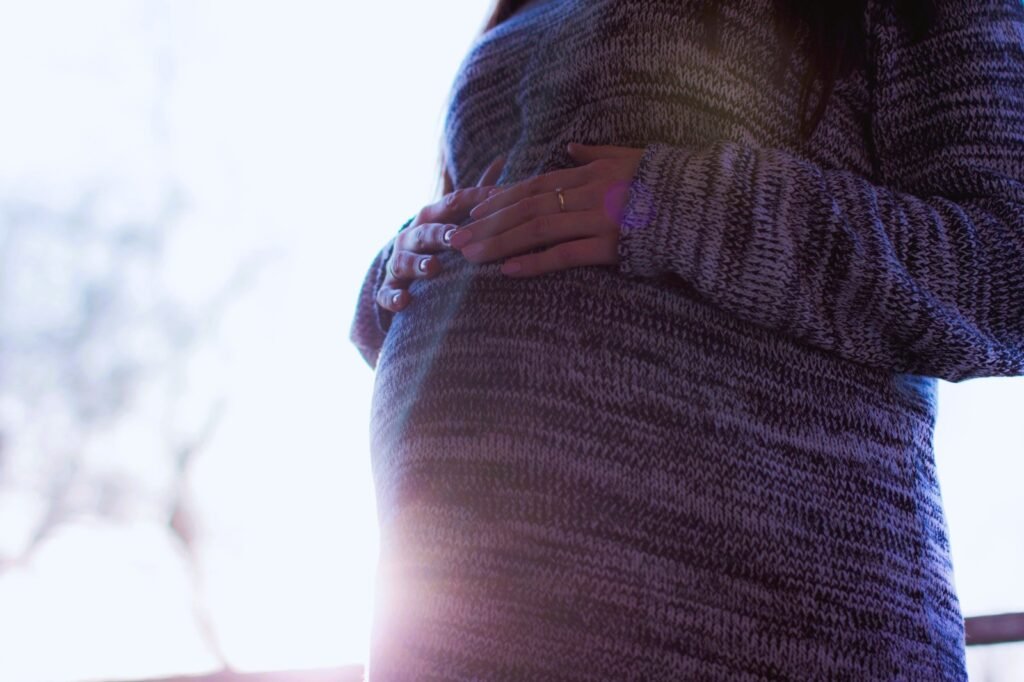
Extreme heat is increasingly being recognised as a health threat but one vulnerable group has often received less attention in heat-response planning: pregnant women.
As heatwaves become more frequent and intense in many parts of the world, growing research is examining what prolonged exposure to high temperatures means for mothers and developing babies. Evidence reviewed in recent studies has linked extreme heat exposure during pregnancy with adverse outcomes including preterm birth, stillbirth, reduced fetal growth and maternal complications.
The issue is particularly important because pregnancy itself changes how the body responds to heat. These physiological adaptations can make it harder to maintain a stable internal temperature, while the fetus depends entirely on the mother’s physiological environment.
The result is a climate-health problem that extends beyond temperature.
Why Pregnancy Changes the Body’s Response to Heat
Pregnancy places additional demands on the cardiovascular and metabolic systems.
Recent research has found measurable physiological responses when pregnant women are exposed to environmental heat. A 2026 systematic review and meta-analysis covering 27 studies and more than 200,000 pregnant women found increases in maternal heart rate, core temperature and skin temperature during heat exposure. Fetal heart rate also increased in the studies that measured it.
The researchers found particularly concerning evidence among pregnant women with hypertension or pre-eclampsia, who appeared more susceptible to impaired blood flow between the uterus and placenta during heat exposure.
These findings help explain why extreme temperatures can become more than an issue of discomfort.
Pregnancy already requires the body to regulate blood flow, fluid balance and temperature while supporting the growth of another human being. Heat adds another physiological burden.
Dehydration can further complicate the situation, particularly during prolonged periods of high temperatures or physical activity.
What Extreme Heat Can Mean for Pregnancy
The strongest body of evidence does not suggest that every episode of hot weather will cause pregnancy complications. Instead, studies have identified associations between heat exposure and a range of adverse outcomes.
Preterm birth is among the most consistently reported concerns. A 2025 rapid review examining 68 studies found evidence linking extreme heat events with adverse fetal and maternal outcomes, including preterm birth and severe maternal morbidity.
Other research has reported associations between high temperatures and stillbirth, reduced fetal growth and low birth weight. The evidence varies according to temperature, duration of exposure, timing during pregnancy and the characteristics of the population being studied.
Researchers have also investigated possible links with gestational diabetes, hypertensive disorders and congenital abnormalities. These findings are important, but the strength of evidence is not identical for every outcome and scientists continue to study the biological pathways involved.
That distinction matters.
Extreme heat should not be presented as a guaranteed cause of a particular pregnancy outcome. Rather, the growing evidence indicates that significant heat exposure can add to health risks during an already physiologically demanding period.
The Fetus Depends on the Mother’s Environment
One of the fundamental challenges is that a developing fetus cannot independently regulate its temperature.
Its environment is closely connected to the mother’s circulation and physiological condition. If heat exposure changes maternal temperature, hydration or blood flow, the fetus can potentially be affected as well.
Scientists are still working to understand precisely how these processes translate into different pregnancy outcomes.
Possible mechanisms include changes in uteroplacental blood flow, dehydration, cardiovascular strain, inflammation and changes in the delivery of oxygen and nutrients.
The 2026 physiological review found consistent short-term responses to heat exposure but also noted that important biological mechanisms remain insufficiently understood.
That uncertainty is not a reason to ignore the risk. It is a reason for better research and more careful prevention.
The Heat-Health Planning Gap
One of the most striking findings concerns not what researchers know but what public health systems are doing with that knowledge.
A 2025 study examined 68 publicly available Heat Health Action Plans and found that only 36 across 13 countries explicitly recognised pregnant women as a heat-vulnerable group. Half of those 36 plans included at least one maternal-specific intervention.
Education was the most common intervention, appearing in about 36% of the plans reviewed. Heat-risk communication appeared in about 33%, while health and social-care support was included in about 31%.
Indoor heat reduction specifically targeting pregnant women appeared in only 8% of the plans.
The study found no maternal-specific early-warning systems, long-term heat-health plans or real-time surveillance measures among the plans examined.
That gap becomes increasingly significant as climate change alters the frequency and intensity of extreme heat.
A heatwave response designed primarily around older adults, children and people with chronic diseases may miss some of the specific needs associated with pregnancy.
Heat Risk Is Also an Inequality Issue
The danger is not distributed equally.
A pregnant woman working outdoors, living in an overcrowded home without reliable electricity or lacking access to air conditioning faces a different level of exposure from someone who can remain indoors in a cooled environment.
The 2025 rapid review found that pregnant people with lower socioeconomic status were more likely to experience heat-related morbidity. A 2026 qualitative systematic review similarly found that environmental, cultural and socioeconomic conditions strongly influence how pregnant people experience and respond to extreme heat.
This makes extreme heat partly an issue of social protection.
Access to clean drinking water, reliable electricity, safe housing, shaded environments, healthcare and paid leave can all influence a person’s ability to avoid dangerous heat exposure.
Climate adaptation therefore cannot be separated from maternal healthcare.
What Better Heat Planning Could Look Like
Protecting pregnant women during heatwaves does not necessarily require entirely new healthcare systems.
Basic measures can be incorporated into existing prenatal services.
Healthcare workers can discuss heat exposure during antenatal appointments, including hydration, access to cooling and the symptoms of heat-related illness. Local authorities can make heat alerts more accessible to pregnant populations and ensure cooling facilities are available to people who cannot safely cool their homes.
Heat-health plans can also identify pregnancy as a specific vulnerability rather than placing pregnant women under a broad category of “at-risk populations.”
Local conditions matter as well. A temperature that triggers serious heat stress in one region may have a different significance elsewhere because of humidity, housing, infrastructure and population adaptation. Researchers have therefore argued for more locally appropriate approaches to heat warnings and interventions.
Urban planning also has a role. Shade, trees, ventilation, heat-resilient housing and accessible public cooling spaces can reduce exposure before a person ever reaches a hospital.
Preparing for a Hotter Future
The challenge facing maternal healthcare is not simply that summers are becoming uncomfortable.
Extreme heat is becoming a recurring environmental exposure that can interact with pregnancy in ways scientists are still learning to understand.
The evidence already supports treating pregnant women as an important heat-vulnerable population. At the same time, researchers continue to identify gaps in the evidence, particularly around which interventions most effectively reduce pregnancy-related risks.
That creates a clear role for healthcare providers, researchers and policymakers.
Pregnancy should be considered in heat warnings, prenatal counselling, emergency planning and climate adaptation. Cooling should be treated as a health resource, not simply a matter of comfort. And communities with fewer resources should receive particular attention because their ability to adapt may be limited.
Climate resilience ultimately means protecting people during the periods when their bodies are most vulnerable.
For pregnant women, that means recognising that extreme heat is not merely weather.
It is increasingly a maternal health issue.
Dr Kanza Aziz Awan

About Author:
Dr. Kanza Aziz Awan holds a PhD in Food Technology from the University of Agriculture Faisalabad and received merit scholarships throughout her studies.
She has teaching and research experience in food science and nutrition, with expertise in functional foods and nutraceuticals.
Dr. Awan has published several research articles, co-authored the book Scientific Presentations, and contributed to book chapters.
She actively participates in national and international conferences and is a life member of the Pakistan Society of Food Scientists and Technologists.
Keywords: extreme heat during pregnancy, pregnancy and heat, maternal health, fetal health, heatwaves and pregnancy, pregnancy heat risks, preterm birth, stillbirth, heat health action plans, climate change and pregnancy, prenatal health
Asian Burg / Health | Climate