




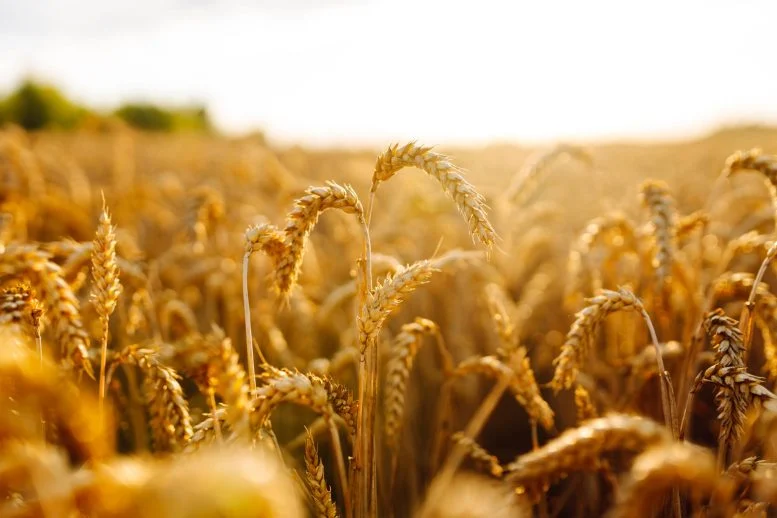
New research reveals that early farming practices unintentionally transformed wheat into a highly aggressive, competitive crop, shaped by an evolutionary struggle for light and space. The findings highlight how ancient agriculture influenced plant behavior and how modern farming is now reversing those traits.
According to a study conducted by researchers at the University of Sheffield, early wheat varieties evolved in densely planted fields where only the strongest plants survived. Over time, this intense competition favored crops that could grow faster, capture more sunlight and outcompete neighboring plants.
This process, which unfolded over roughly 1,000 to 2,000 years, led to the emergence of what scientists describe as “warrior” wheat plants with larger leaves, upright growth and aggressive resource acquisition strategies. These traits allowed them to dominate crowded environments ensuring survival and reproduction.
Researchers used advanced plant growth models to better understand these changes finding that leaf angle played a critical role. Wheat plants with more vertical leaves were able to grow above their neighbors, absorb more sunlight and shade competing plants below giving them a clear evolutionary advantage.
However, modern agriculture has shifted priorities. Today’s farming systems emphasize high yields and efficiency, often planting crops densely while relying on fertilizers and herbicides to manage resources. As a result, breeders have intentionally selected less competitive plants that can coexist more effectively rather than compete aggressively.
Modern wheat varieties typically feature shorter stems and smaller leaves allowing them to direct more energy toward grain production instead of survival competition. This marks a significant transition from ancient farming systems, where competition was essential to today’s controlled agricultural environments that favor cooperation.
The study highlights how human practices continue to shape crop evolution. Traits that once ensured survival in early agriculture are now being redesigned to meet the demands of modern food production demonstrating the dynamic relationship between farming methods and plant biology.
Keywords:
Wheat evolution, Ancient farming, Crop competition, Warrior wheat, Plant adaptation, Agricultural science, University of Sheffield, Food production, Modern agriculture, Crop breeding
Asian Burg | Science & Environment Desk
Send your feedback via email info@asianburg.com