



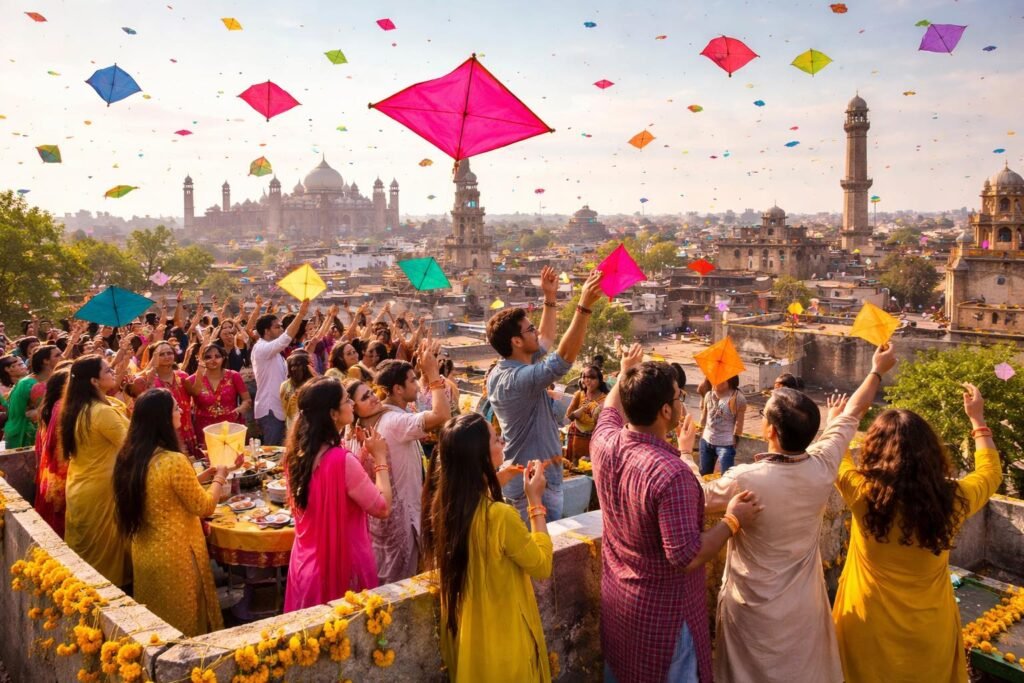
Basant occupies a significant place in Pakistan’s cultural life. It is perhaps the only large-scale cultural activity that is genuinely inclusive shared and enjoyed across genders, faiths, sects, classes and ideologies without distinction. Unlike religious festivals, Basant carries no sanctity, doctrine or ritual obligation. Its appeal lies in colour-filled skies, music, laughter and a rare sense of collective joy that spills into streets, rooftops and neighbourhoods. Women participate as visibly and freely as men; children, elders, minorities and majorities all claim equal ownership. In a society where public celebration is largely defined by religious calendars, Basant stands out as a shared cultural moment that briefly dissolves boundaries and affirms social coexistence through joy rather than identity.
Yet this cultural richness cannot be separated from hard lessons of the past. Basant was banned in Punjab nearly two decades ago not because of its secular character but due to grave safety failures most notably the use of chemically treated and metal-infused kite strings that caused fatal injuries and exposed administrative neglect. Its recent permission after years of absence therefore comes with a clear warning. Celebration without responsibility will again invite prohibition and a second ban may well be final one. The revival of Basant demands caution, regulation and civic discipline. The state must enforce safety standards and oversight; citizens must resist excess and indifference. A festival that symbolises colour, music and shared happiness can only survive if it is celebrated with care. Preserving Basant is no longer just a matter of culture it is a test of collective maturity.