



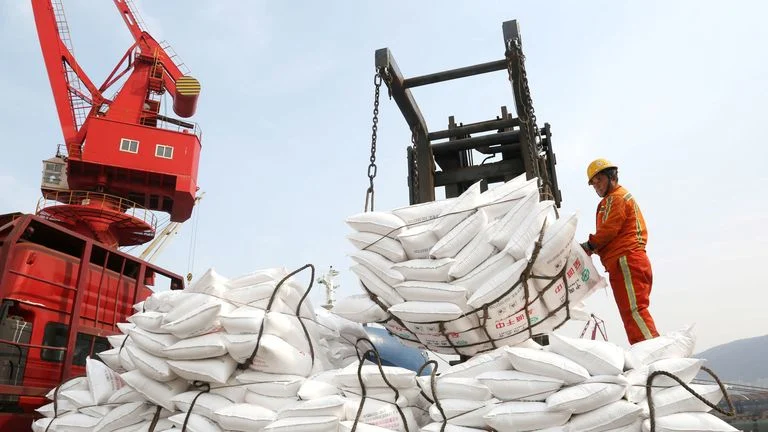
While global fertiliser markets face severe disruption due to rising geopolitical tensions, China’s coal-based urea production is helping insulate its farmers from price shocks and supply shortages.
Unlike major exporters such as Russia, Qatar and Saudi Arabia, which rely on natural gas, China produces nearly 78 percent of its urea using coal, a resource it has in abundance. This has allowed the country to maintain stable domestic supply and significantly lower prices compared to international markets.
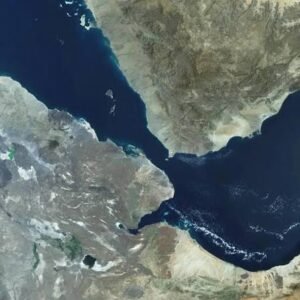
Global urea prices have surged by nearly 70 percent since late February, largely due to disruptions in trade routes, particularly through the Strait of Hormuz, a critical corridor for fertiliser shipments. Prices internationally have reached as high as $700–780 per ton, while domestic prices in China remain around one-third of those levels.
This contrast is shaping agricultural decisions worldwide. Farmers in countries like the United States and Australia are shifting toward less nitrogen-intensive crops such as soybeans and barley. In China, however, farmers are largely maintaining their planting patterns, supported by ample fertiliser availability and stable input costs.
China is expected to produce a record 76.5 million tons of urea this year, exceeding its domestic demand of around 66 million tons. Additional capacity is also coming online with several new coal-based plants set to begin operations, further strengthening supply.
Despite this surplus, analysts suggest that Beijing is unlikely to significantly ease export restrictions in the near term. The government typically assesses surplus levels after the spring planting season but concerns remain that increased exports could drive up local prices and disrupt domestic stability.
China’s strategy reflects a broader effort to reduce reliance on energy imports and shield its agricultural sector from global volatility. While coal-based production is more polluting than gas alternatives, it provides a strategic advantage during times of geopolitical uncertainty.
As global fertiliser markets remain under pressure, China’s self-sufficiency highlights how domestic resource strategies can play a critical role in maintaining food security and economic stability.
Keywords:
China urea production, Fertiliser crisis, Coal-based urea, Global fertiliser prices, Strait of Hormuz, Agricultural supply, Nitrogen fertiliser, China exports, Food security, Energy strategy
Asian Burg | Global Desk
Send your feedback via email info@asianburg.com