




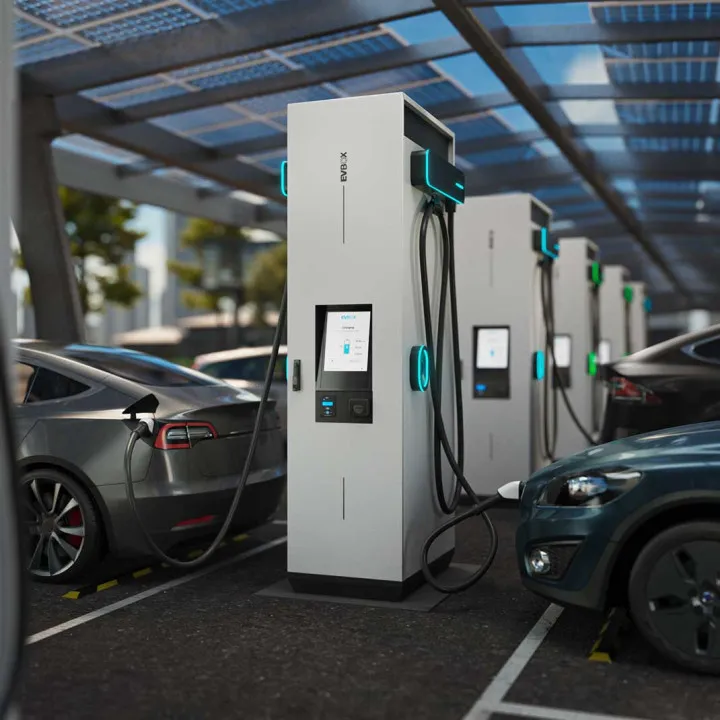
Prime Minister Shehbaz Sharif has rightly highlighted electric mobility as a strategic response to rising energy costs and growing regional uncertainty. Yet the importance of this transition goes far beyond the immediate crisis. Around the world transport systems are rapidly shifting toward electricity across urban travel freight movement and rail networks. This is not a temporary adjustment but a long-term transformation shaping modern economies.
For Pakistan the stakes are even higher. As one of the most climate vulnerable nations the country faces increasing pressure to cut emissions while improving air quality and upgrading outdated infrastructure. Electrifying transport combined with cleaner energy sources offers a practical path to achieve these goals. It creates an opportunity to reduce pollution strengthen infrastructure and improve public health at the same time.
Despite ambitious targets set for 2030 progress has remained uneven. Policy direction lacks clarity while implementation has been slow. The gap between vision and execution continues to widen which risks delaying a transition that cannot afford hesitation.
A key opportunity lies in building local capacity. Pakistan can benefit by integrating into the global electric vehicle supply chain especially by partnering with Chinese manufacturers who lead in battery and EV production. Developing domestic industry in this space can reduce reliance on imports create employment and revitalise the auto parts sector. Without this industrial foundation the shift to electric vehicles may turn into another import-heavy transition instead of a meaningful economic upgrade.
At the same time electrification alone is not enough. If electric vehicles rely on electricity generated from imported fossil fuels the environmental gains remain limited. The emissions simply shift from roads to power plants. This makes it essential for Pakistan to expand renewable energy sources such as solar and wind while investing in battery storage systems. A coordinated transition in both transport and energy sectors is the only way to achieve real emission reductions and reduce dependence on costly fuel imports.
Electric mobility is no longer a distant goal. It is a necessary step toward economic resilience environmental sustainability and technological progress. The challenge now is not in recognising its importance but in ensuring that policies investments and execution move forward with urgency and clarity.
Keywords:
Electric mobility, Pakistan EV transition, Renewable energy, Shehbaz Sharif, Electric vehicles, Climate action, Sustainable transport, Energy transition, Infrastructure modernization, Battery technology
Asian Burg | Energy & Technology Desk
Send your feedback via email info@asianburg.com