




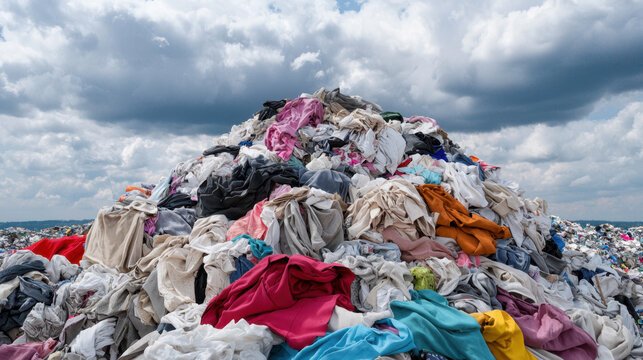
In the global cycle of fast fashion, millions of discarded clothes find a second life in Panipat. But while this northern Indian city plays a key role in recycling textile waste, its people are paying a heavy price in health, safety and environmental damage.
Every year, huge volumes of used clothing from countries like the United States, United Kingdom and Japan arrive in Panipat. These garments are sorted, shredded and repurposed into products such as rugs, carpets and blankets making the city a central hub in the global recycling chain.
On the surface, this process appears to support a circular economy. However, the reality inside recycling units tells a different story. Workers are exposed to dust, fibers and hazardous chemicals daily, often without basic protective equipment like masks or gloves.
Many workers report chronic health issues, particularly respiratory problems. Continuous exposure to tiny fabric particles can damage the lungs over time leading to serious conditions such as fibrosis. According to medical experts, prolonged inhalation of polluted air in these units can significantly shorten life expectancy.
The risks are not limited to air pollution. Chemical processes used in dyeing and bleaching fabrics release toxic fumes and wastewater. In many cases, untreated industrial waste flows into open drains contaminating local water supplies and nearby agricultural land.
Environmental experts warn that this polluted water eventually reaches the Yamuna River, a critical water source for millions of people including residents of Delhi. This creates a wider public health crisis beyond Panipat itself.
The human cost is equally alarming. Most workers in Panipat’s textile sector are part of the informal economy. They lack health insurance, job security and workplace protections. Injuries and illnesses often go untreated forcing workers to continue under dangerous conditions to support their families.
Despite regulations, enforcement remains weak. The National Green Tribunal has previously raised concerns about illegal discharge of industrial waste but experts say accountability is still lacking across industry and government institutions.
The rise of fast fashion has accelerated this crisis. Clothes are produced cheaply, worn briefly and discarded quickly, leading to massive global waste. Cities like Panipat have become the final destination for this consumption pattern absorbing its environmental and social consequences.
While recycling helps reduce landfill waste, it does not eliminate the deeper issues tied to overproduction and unsustainable consumption. Without stricter regulations, better labor protections and global accountability, the burden will continue to fall on vulnerable communities.
Panipat’s story highlights a harsh truth: the true cost of fast fashion is not paid at the checkout counterbut by workers and environments far removed from where these clothes are worn.
Keywords:
fast fashion waste India, Panipat textile industry, clothing recycling India, environmental impact fast fashion, textile pollution India, Yamuna River pollution, National Green Tribunal textile case, fast fashion workers health, global clothing waste, sustainable fashion crisis
Asian Burg | Industry
Send your feedback via email info@asianburg.com