



The Great Pacific Garbage Patch, a massive swirling collection of plastic waste located between Hawaii and California, has long been known as one of the biggest environmental crises on Earth. Spanning an area more than twice the size of Texas, this floating mass of debris is not just an ocean pollution problem it may also be contributing to global warming in ways scientists are only beginning to understand. As plastic waste breaks down into smaller pieces, it transforms into microplastics and nanoplastics that can travel far beyond the ocean entering the atmosphere and impacting the planet’s climate system.
Microplastics, typically smaller than a pencil eraser and nanoplastics, which are even tinier than the width of a human hair are now being recognized as airborne pollutants. These particles are created when larger plastic items collide, degrade under sunlight, and fragment over time. Once they become small enough, they can be lifted into the air by wind and transported across vast distances. Scientists have found that these airborne particles interact with sunlight in complex ways, either reflecting it back into space or absorbing it, which directly influences Earth’s temperature.
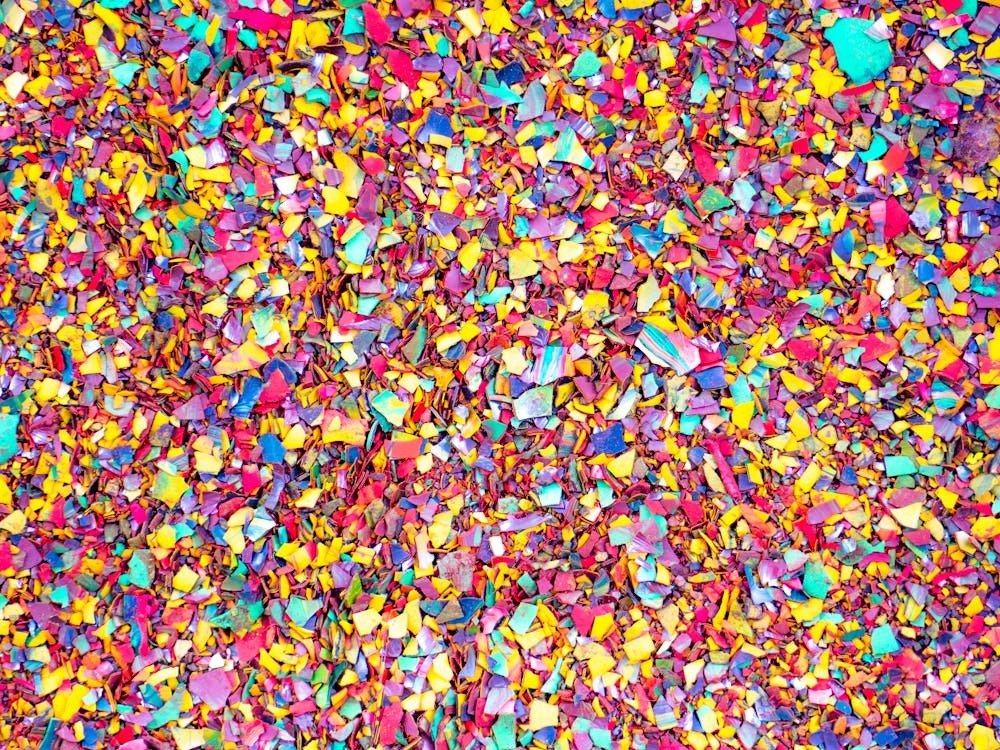
Recent research shows that many of these plastic particles especially colored ones like red, blue, yellow and black absorb significantly more sunlight than previously thought. Instead of reflecting heat away, they act similarly to dark surfaces trapping heat and contributing to warming. This behavior challenges earlier assumptions that microplastics had a negligible effect on climate change. In fact, darker and aged plastic particles tend to absorb even more sunlight over time increasing their warming potential as they circulate in the atmosphere.
The size of plastic particles also plays a critical role in their climate impact. Smaller particles, particularly nanoplastics, remain suspended in the air for longer periods and absorb more sunlight relative to their size. This means that even though they are tiny, their cumulative effect can be significant. As plastic pollution continues to increase globally, the number of these particles in the atmosphere is expected to rise, amplifying their influence on global temperatures.
Scientists estimate that microplastics and nanoplastics may contribute around 16% of the warming effect caused by Black Carbon, a well-known air pollutant that strongly absorbs sunlight and heats the atmosphere. In regions where plastic waste accumulates heavily, such as ocean gyres, the localized warming impact of airborne plastics may even rival or exceed that of black carbon. This is particularly concerning in areas like the Great Pacific Garbage Patch, where constant movement and friction between plastic debris release large quantities of particles into the air.
Despite these findings, scientists emphasize that there are still uncertainties. Measuring the exact amount of plastic in the atmosphere is extremely challenging and current estimates may not fully capture the scale of the problem. However, the overall conclusion remains clear: the net effect of airborne microplastics is more warming than cooling. This suggests that current climate models may need to be updated to include the impact of plastic pollution as a contributing factor to global heating.
While the climate impact of microplastics is still being studied, experts believe that their effects on human health and ecosystems could be even more significant. These tiny particles have already been detected in air, water and even inside the human body raising concerns about long-term exposure. As plastic production continues to grow worldwide, the combined environmental and health risks are likely to increase.
In conclusion, the Great Pacific Garbage Patch is more than just a symbol of ocean pollution it represents a complex and growing environmental threat with global consequences. The discovery that microplastics can influence climate change adds a new layer of urgency to the fight against plastic pollution. Addressing this issue will require stronger waste management systems, reduced plastic consumption and global cooperation to limit the spread of plastic waste in both oceans and the atmosphere.
Keywords:
Great Pacific Garbage Patch, microplastics climate change, plastic pollution global warming, airborne microplastics, nanoplastics impact, ocean plastic pollution, climate change causes, environmental pollution 2026, black carbon vs microplastics, plastic waste crisis, global warming factors, atmospheric pollution, sustainability issues, ocean gyres plastic
Asian Burg | Climate / Environmental Science
Send your feedback via email info@asianburg.com