




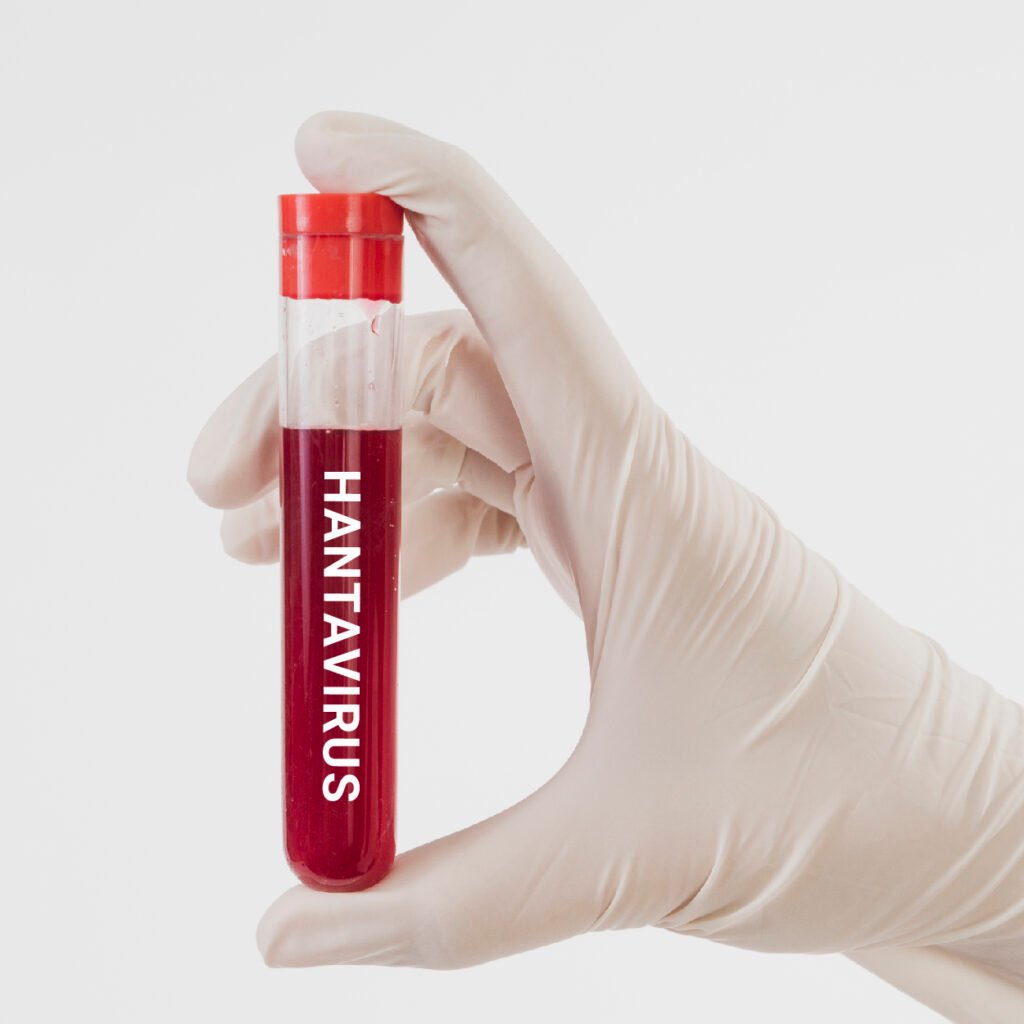
The rare but potentially deadly Hantavirus has recently drawn global attention due to a suspected outbreak on a cruise ship. While health experts stress that the overall risk to the public remains low, understanding how this virus works is essential for staying safe. Hantavirus is a group of viruses mainly transmitted through infected rodents and humans usually become infected when they inhale airborne particles from dried rodent urine, droppings, or saliva. In some cases, infection can also occur by touching contaminated surfaces and then touching the mouth, nose or eyes. Although extremely rare, transmission through rodent bites or even human-to-human spread (in specific strains) has been observed.
Hantavirus infections can lead to two serious illnesses depending on the region. In the Americas, it causes Hantavirus Pulmonary Syndrome (HPS), which primarily affects the lungs and can quickly become life-threatening with a fatality rate of around 40%. In Europe and Asia, it leads to Hemorrhagic Fever with Renal Syndrome (HFRS), which impacts the kidneys and may result in internal bleeding and kidney failure with a mortality rate ranging between 5–15%. Both forms of the disease often begin with flu-like symptoms, which can make early diagnosis difficult.
The symptoms of hantavirus typically appear between one and eight weeks after exposure. Early signs include fever, chills, muscle aches, fatigue and headaches. As the disease progresses, more severe symptoms may develop, such as shortness of breath, chest tightness, fluid buildup in the lungs, low blood pressure and even organ failure. Because these symptoms overlap with many other illnesses, early medical attention is critical.
Currently, there is no specific cure or antiviral treatment for hantavirus. Medical care focuses on supportive treatment, including oxygen therapy, intravenous fluids and intensive care support in severe cases. Early hospitalization significantly improves survival rates making awareness and quick action extremely important.
Prevention remains the most effective strategy against hantavirus. Keeping rodents out of your home is crucial this includes sealing cracks and holes, storing food in airtight containers, maintaining cleanliness and properly disposing of garbage. When cleaning areas that may contain rodent droppings, it’s important to wear gloves, use disinfectants like bleach and avoid sweeping or vacuuming dry waste, as this can release harmful particles into the air.
Globally, hantavirus remains relatively rare despite its severity. There are an estimated 60,000 to 100,000 cases of HFRS each year, mostly concentrated in Asia, while other regions report significantly fewer cases. This means that while the disease is serious, the likelihood of infection is low when proper precautions are taken.
The recent 2026 outbreak linked to a cruise ship has raised questions among experts. Possible explanations include rodents traveling onboard ships, exposure before boarding or extremely rare human transmission. Investigations are ongoing to determine the exact source of the outbreak. Situations like this highlight the importance of global health monitoring and rapid response systems.
In conclusion, hantavirus is a rare but dangerous infection that underscores the importance of hygiene, awareness and prevention. While outbreaks may sound alarming, they are uncommon and the general public can stay safe by following basic health precautions. Staying informed and proactive is the best defense against such infectious diseases.
Keywords:
hantavirus, hantavirus symptoms, hantavirus causes, hantavirus treatment, hantavirus prevention, hantavirus outbreak 2026, rodent virus infection, HPS symptoms, HFRS disease, viral infection prevention, rare infectious diseases, lung infection virus, kidney infection virus, health awareness, disease prevention
Asian Burg/ Health / Infectious Diseases
Send your feedback via email info@asianburg.com