



The ongoing conflict involving Iran has triggered a global energy shock, pushing countries to accelerate their transition toward clean energy and increasing reliance on China as a leading supplier.
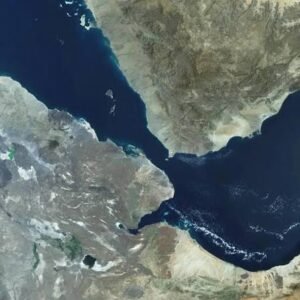
Disruptions in the Strait of Hormuz a key route for nearly 20% of global oil and gas supply have led to rising fuel prices and supply uncertainty forcing oil dependent nations to explore alternative energy sources.
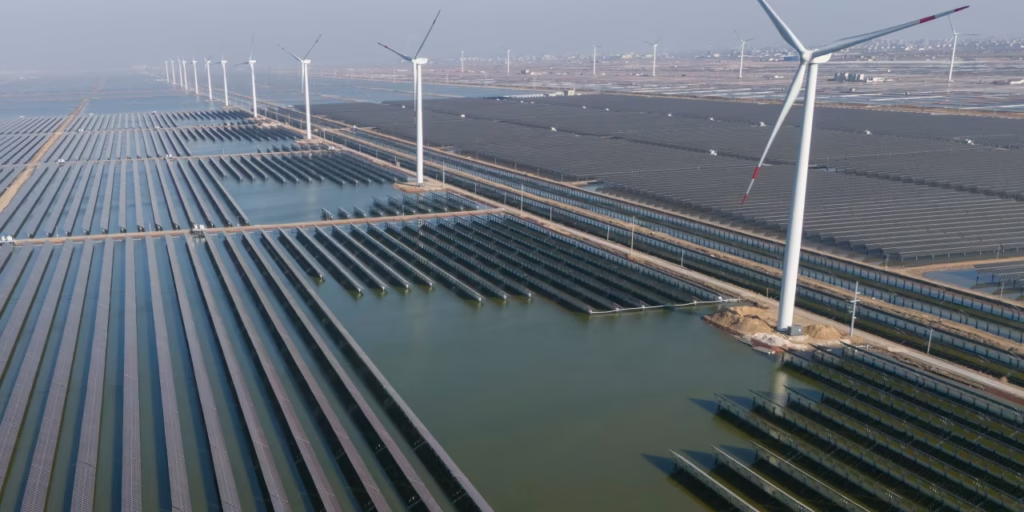
As a result, China’s exports of solar panels, batteries and electric vehicles have surged significantly. According to energy think tank Ember, Chinese solar exports reached record levels in March with dozens of countries increasing imports amid the ongoing crisis.
Experts note that emerging markets in Asia and Africa, which are heavily impacted by the energy shortage are leading this shift toward renewable energy solutions.
The surge highlights a broader global transition, as countries attempt to reduce dependence on fossil fuels and shield their economies from volatile oil markets.
Analysts describe this as a “paradigm shift,” where energy security is increasingly tied to renewable capacity rather than fossil fuel access. The crisis has reinforced the importance of sustainable energy investments worldwide.
China’s dominance in renewable technology manufacturing has also strengthened its geopolitical influence positioning it as a critical partner in the global energy transition.
Meanwhile, countries like Pakistan are already benefiting from increased adoption of solar energy helping reduce reliance on expensive fuel imports and saving billions in energy costs.
Despite short-term fluctuations, experts believe the ongoing crisis will have long-term implications, further accelerating the global move toward clean and sustainable energy systems.
Keywords:
clean energy transition, Iran war impact, China exports, renewable energy, solar panels, global oil crisis, Strait of Hormuz, energy security, Asian Burg Business Desk
Asian Burg | Business Desk
Send your feedback via email info@asianburg.com