



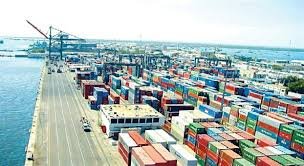
Karachi Port, Pakistan’s largest and busiest seaport is witnessing an unprecedented surge in activity as global shipping routes undergo major shifts. Container terminals are operating at near full capacity with cargo volumes rising sharply and vessels arriving in rapid succession.
This sudden increase is closely linked to ongoing geopolitical tensions in the Middle East, particularly around key maritime corridors such as the Strait of Hormuz. As uncertainty grows in traditional shipping lanes, global shipping companies are actively rerouting vessels toward safer more stable and cost-effective alternatives. Karachi Port has emerged as a preferred destination due to its strategic location and operational accessibility.
According to port authorities, March 2026 recorded a significant rise in maritime traffic compared to previous months. In a single day, over 165,000 metric tonnes of cargo were handled including imports and exports such as cement, rice, fertilizers, chemicals and other essential commodities.
Industry experts highlight that this shift is driven by risk management strategies adopted by international shipping lines. During periods of geopolitical instability, operators prioritize ports that offer reduced risk exposure, efficient turnaround times and competitive operational costs. Karachi Port is currently meeting these requirements positioning itself as a growing regional logistics hub.
However, the surge has also created operational challenges. Increased transshipment activity is putting pressure on port infrastructure including storage capacity, yard space and cargo handling systems. The port, originally designed for standard traffic volumes is now facing strain due to the unexpected influx.
To address these challenges, port authorities are implementing measures such as faster cargo clearance, improved logistics coordination and the use of off-dock terminals to reduce congestion. Despite these efforts, experts warn that sustained high volumes could require diversion of excess cargo to alternative ports if infrastructure upgrades are not implemented.
The long-term sustainability of this growth will depend on evolving geopolitical conditions and global shipping policies. If regional tensions persist, Karachi Port may continue to benefit from rerouted maritime traffic. However, infrastructure readiness will remain a critical factor in maintaining this momentum.
For now, Karachi Port stands at the center of a rapidly shifting global maritime landscape benefiting from disruption, yet simultaneously being tested by it.
Keywords:
Karachi Port news 2026, Pakistan shipping industry, global shipping disruption, Middle East shipping crisis, Strait of Hormuz trade routes, Karachi Port cargo surge, Pakistan logistics hub, maritime trade Pakistan, port congestion Asia, shipping routes 2026, international trade Pakistan, Karachi port traffic increase, global supply chain disruption, transshipment cargo Pakistan, port infrastructure challenges, shipping industry trends 2026
Asian Burg News Desk
Send your feedback via email info@asianburg.com