



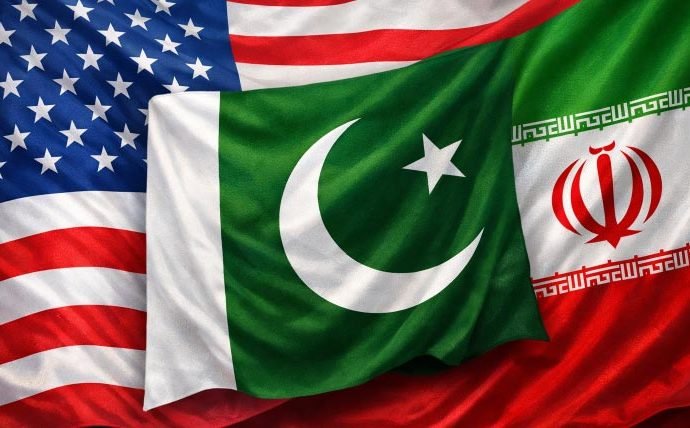
In the final hours before a two-week ceasefire between Iran and the United States was confirmed, quiet yet intense diplomatic efforts led by Pakistan opened a narrow path toward de-escalation.
Talks moved forward rapidly with Pakistan acting as a discreet intermediary between both sides. A small group managed the process under a serious atmosphere though cautious optimism remained that hostilities could stop within hours.
Pakistan’s role was shaped by its strategic ties with Tehran as well as its working relationship with Washington. With a shared border and long-standing “brotherly” ties with Iran, Islamabad maintained steady communication channels. At the same time, links with the US leadership also played a part. Donald Trump has previously expressed strong regard for Pakistan’s military leadership, especially Asim Munir.
Despite these efforts, uncertainty remained high. Ishaq Dar noted that progress had appeared positive until a sudden escalation shifted the situation. Strikes between regional actors raised tensions and complicated mediation efforts.
Pakistan’s military leadership also voiced concern. Field Marshal Munir criticized recent attacks on Saudi Arabia and warned that such actions undermine genuine peace efforts. Analysts suggest this stance may have increased pressure on Tehran, especially given Pakistan’s defense ties with Riyadh.
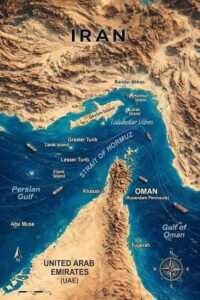
Late at night, Shehbaz Sharif signaled that diplomatic progress had gained momentum. He urged Washington to extend its timeline by two weeks and called on Iran to reopen the Strait of Hormuz during this period.
Shortly after, Iran’s envoy to Islamabad, Reza Amiri Moghadam, indicated that talks had moved beyond a critical phase. Within hours, Prime Minister Sharif confirmed that a ceasefire agreement had been reached. He also invited both nations to Islamabad for further negotiations aimed at a lasting settlement.
Even with this breakthrough, officials remain cautious. Deep mistrust persists between Tehran and Washington while key disagreements remain unresolved. Pakistan’s diplomatic effort has created an opening for dialogue though the path toward a durable agreement remains uncertain.
Moanir Abi Hadi
About the Author:
Moanir Abi Hadi is a media analyst and content strategist at Asian Burg, producing insightful work on geopolitics, digital infrastructure and social change. He can be reached at info@asianburg.com
Keywords:
Pakistan diplomacy, US–Iran ceasefire, Shehbaz Sharif, Asim Munir, Reza Amiri Moghadam, Strait of Hormuz, regional tensions, Tehran, Washington, Saudi Arabia