



As global attention remains fixed on rising tensions involving Iran, the US and Israel and the resulting surge in oil prices Pakistan finds itself confronting a different but equally dangerous challenge an impending flood crisis driven by extreme weather.
Forecasts indicate that the upcoming monsoon could bring rainfall levels 22–26% above normal raising fears of severe flooding in 2026. This sets the stage for a “double crisis” economic pressure from global instability and environmental devastation during the July–August monsoon season forcing policymakers to balance recovery efforts with urgent flood preparedness.
Despite having frameworks like the National Flood Protection Plan-IV, developed after the devastating 2010 Pakistan floods and updated following the 2022 Pakistan floods, Pakistan continues to face recurring flood damage. The plan outlines hundreds of projects yet the country remained vulnerable during the 2025 floods highlighting gaps in implementation.
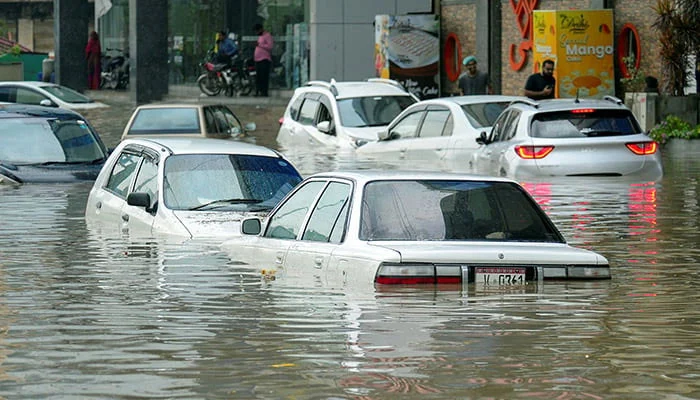
Flooding continues to displace communities, destroy infrastructure and damage agriculture, posing serious risks to food security and costing the economy billions of dollars. While floods are a natural part of the hydrological cycle historically even beneficial for soil fertility, groundwater recharge and ecosystems their intensity has increased due to climate change and unplanned urban expansion.
Experts argue that the issue is not floods themselves, but how human development has ignored natural systems. Settlements in floodplains and poorly planned urban growth have turned seasonal water flows into disasters.
Climate change has further intensified the situation by increasing temperatures accelerating glacier melt and causing heavier and more unpredictable rainfall. As a result, floods in Pakistan have become more frequent and severe with major events recorded in 2010, 2022 and 2025.
Given economic constraints, large-scale infrastructure like dams and barrages may not be a practical immediate solution. Instead, experts emphasise cost-effective, nature-based strategies. These include reconnecting rivers to natural floodplains, restoring wetlands, promoting afforestation and improving water storage through ponds and recharge systems.
Urban solutions such as water-absorbing parks inspired by models like China’s “sponge cities” can help manage excess rainfall, while community-level interventions like early warning systems and adaptive farming can reduce risk.
The growing crisis underscores the need for smarter, faster adaptation. Rather than attempting to control floods entirely, Pakistan must learn to manage and coexist with them turning a recurring disaster into a more manageable natural process.
Keywords:
Pakistan floods 2026, monsoon warning Pakistan, climate change floods, economic crisis Pakistan, flood management strategy, National Flood Protection Plan, hydrological cycle Pakistan, climate adaptation, urban flooding solutions
Asian Burg | Climate & Economy Desk
Send your feedback via email info@asianburg.com