



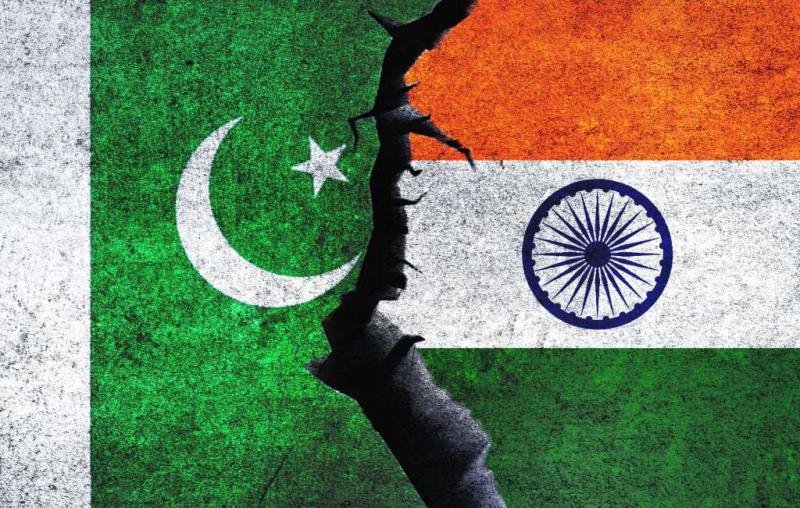
Pakistan-India relations remain locked in a fragile state of “no war, no peace” following the brief but impactful 2025 conflict. Despite the ceasefire, diplomatic engagement has stalled, trade remains suspended and tensions continue to shape South Asia’s geopolitical landscape.
The conflict lasted less than 90 hours, but its long-term consequences have reshaped regional power perceptions. While India maintains its economic and strategic advantages, Pakistan has regained geopolitical relevance through coordinated military response and diplomatic outreach, challenging earlier assumptions of its strategic weakness.
Efforts by the United States to establish a post-ceasefire dialogue failed to materialise highlighting a declining global appetite for sustained mediation in South Asia. India’s continued rejection of third-party involvement, particularly on Kashmir, has further limited diplomatic progress and reduced chances of structured engagement.
The absence of formal dialogue has created a cold but unstable equilibrium, maintained through deterrence rather than cooperation. Experts warn that without political engagement, the risk of another crisis remains high, especially in a region marked by nuclear capabilities and historical rivalry.
A significant shift in tensions is the growing importance of water security. India’s decision to hold the Indus Waters Treaty in abeyance has introduced a new layer of conflict with Pakistan raising concerns over water flow disruptions. Climate change is further intensifying these risks making water a central geopolitical issue in South Asia.
Backchannel diplomacy through Track 1.5 and Track 2 engagements continues in cities like London and Doha offering limited communication channels. However, these informal efforts cannot replace structured negotiations required for lasting peace and stability.
Ultimately, Pakistan-India relations remain uncertain, shaped by political mistrust, domestic pressures and unresolved disputes. While limited technical cooperation on water and crisis management may continue, meaningful normalization appears unlikely in the near future keeping the region vulnerable to sudden escalation.
Keywords:
Pakistan India relations 2026, South Asia tensions, Indus Waters Treaty dispute, Kashmir conflict, India Pakistan ceasefire, geopolitical tensions South Asia, water security crisis, nuclear deterrence South Asia, regional stability Pakistan India
Asian Burg | Geopolitics / South Asia
Send your feedback via email info@asianburg.com