



Pakistan’s recent diplomatic role in mediating between the United States and Iran has drawn international recognition and elevated the country’s global profile. The achievement marks a rare moment in its foreign policy history, showcasing its ability to act as a credible intermediary in a complex geopolitical environment. However, the celebration of this success has also triggered unrealistic expectations about its potential economic dividends.
There is growing speculation that such diplomatic engagement could translate into financial gains or increased foreign investment. Yet, this assumption overlooks a fundamental reality that external achievements do not automatically resolve internal structural weaknesses. Comparisons with the post-9/11 period, when Pakistan received substantial international support are misplaced. The current global context offers no similar incentives or strategic rationale for large-scale economic assistance.
Pakistan’s long-standing reliance on geopolitical positioning to secure economic benefits has shaped a pattern that persists today. Instead of focusing on domestic reform, successive governments have often looked outward for financial relief through alliances, bailouts and external support. This approach has delayed critical economic restructuring and reinforced dependence on external inflows.
The country’s economic situation remains fragile despite short-term stabilisation efforts. Structural issues in taxation, energy and public expenditure continue to hinder sustainable growth. With repeated reliance on IMF programmes, including the latest one, Pakistan remains trapped in a cycle of borrowing without achieving long-term economic resilience. Investment levels remain low and growth has yet to recover meaningfully.
Political instability further complicates the situation. A deeply polarised environment weakens governance and undermines the ability to implement reforms. Sustainable progress requires inclusive political engagement and cooperation between government and opposition. Without this, policy continuity and institutional strength remain compromised.
Security challenges also persist, particularly in regions affected by militancy. While military and law enforcement efforts continue, a purely force-based approach has not fully addressed the root causes of unrest. Long-term stability depends on combining security measures with political dialogue and socio-economic development, especially in conflict-affected areas.
Equally concerning is the state of human development. Education, healthcare and poverty indicators present a troubling picture. Millions of children remain out of school, literacy rates have stagnated and income disparities continue to widen. These issues directly impact economic productivity and long-term national progress.
Pakistan’s recent diplomatic success is significant but it cannot substitute for internal reform. The country’s future depends on addressing its domestic challenges economic restructuring, political stability, security management and human development. External recognition may enhance image but real progress will be determined by decisions made within the country.
Ultimately, sustainable growth and stability will come not from international praise but from a consistent focus on internal priorities and long-overdue reforms.
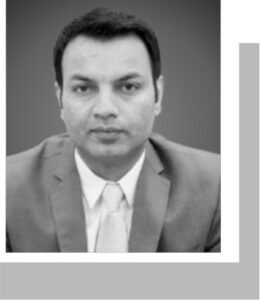
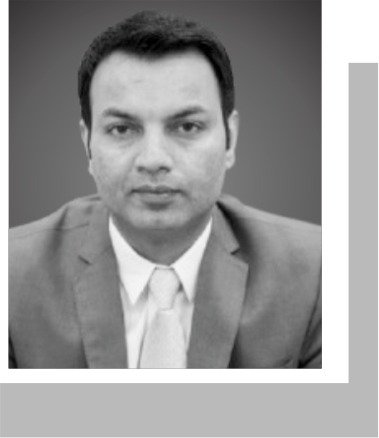
Munir Hussain Chopra
About Author:
Mr. Hussain is a mid-career civil servant with a keen interest in public policy, governance, socioeconomic issues and institutional reform. His writings focus on analyzing contemporary challenges through the lens of policy, administration and social impact aiming to encourage informed public discourse.
Keywords:
Pakistan diplomacy success, Pakistan economy crisis, political stability Pakistan, IMF programme Pakistan, internal security Pakistan, governance reforms Pakistan