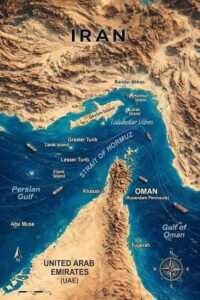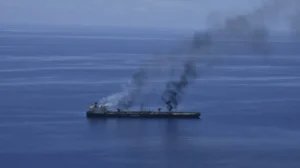




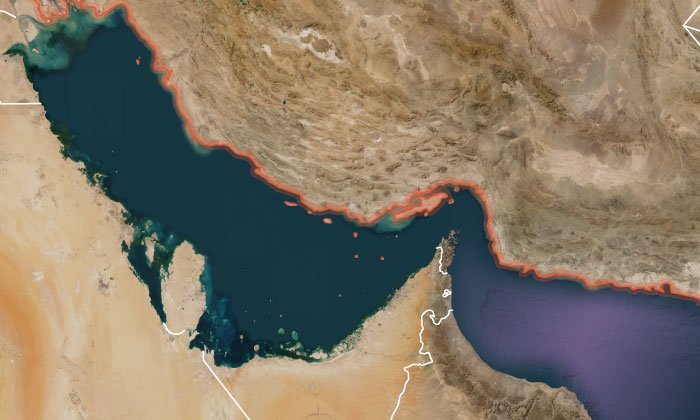
The Strait of Hormuz continues to remain a major geopolitical flashpoint despite growing international efforts to restore navigation in the region.
Tensions escalated after the United States and Israel carried out strikes on Iran earlier this year prompting Tehran to shut down the vital maritime route and impose restrictions on passing vessels. In response, the United States blockaded Iranian ports to curb oil exports, further intensifying the crisis.
Despite a temporary ceasefire, the situation remains fragile with Iran warning of a strong response if what it termed “piracy” by US forces continues.
French President Emmanuel Macron has called for the full reopening of the strait in the coming weeks stressing the need to ensure freedom of navigation under international law. The waterway is critical, as nearly one-fifth of the world’s oil and gas supply passes through it.
The ongoing tensions have disrupted global energy flows and raised concerns over shortages with major stakeholders urging swift de-escalation.
Several countries including Turkiye and Germany have expressed willingness to participate in potential mine-clearing missions once conditions stabilize. These operations would aim to secure safe passage for commercial shipping in the region.
Officials say any deployment of international forces will depend on a lasting ceasefire and political agreement between the involved parties.
The crisis highlights the Strait’s strategic importance not only for energy supplies but also for global trade, as disruptions continue to impact markets worldwide.
Keywords
Strait of Hormuz, Iran US tensions, global oil supply, maritime security, Middle East conflict, energy crisis, geopolitical tensions, Asian Burg World Desk
Asian Burg | World Desk
Send your feedback via email info@asianburg.com