




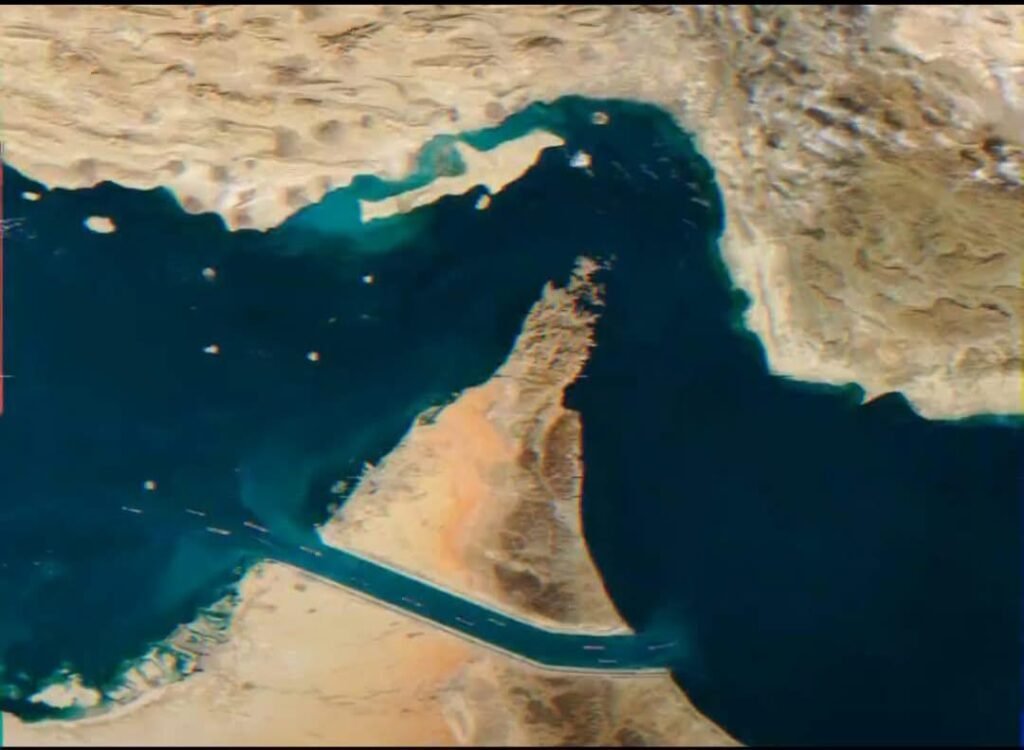
For decades, the Strait of Hormuz has stood as one of the most critical arteries of global trade, particularly for energy supplies. Roughly a fifth of the world’s oil has historically passed through this narrow waterway making it a focal point of geopolitical tension. But as global dynamics shift, its dominance may no longer be as decisive as it once was.
Recent geopolitical tensions involving the United States and Iran have once again highlighted the vulnerability of relying heavily on a single chokepoint. Even temporary disruptions can send shockwaves through energy markets, raising prices and unsettling economies worldwide. However, these recurring risks are accelerating a broader transformation in how global trade is structured.
One major shift is the diversification of energy routes. Countries are increasingly investing in pipelines, alternative shipping corridors and regional supply chains to reduce dependence on maritime bottlenecks. For example, Gulf producers have expanded overland pipelines that bypass the Strait altogether ensuring that exports can continue even during periods of instability.
At the same time, the global energy mix itself is evolving. The rise of renewable energy sources, along with increased production of liquefied natural gas (LNG) in regions outside the Middle East is gradually reducing the world’s reliance on oil transported through the Gulf. Major consumers such as China and India are also diversifying their import sources strengthening energy security through strategic partnerships and reserves.
Technological advancements are further reshaping trade patterns. Improvements in shipping logistics, energy storage and digital supply chain management are enabling more flexible and resilient systems. These innovations allow global markets to adapt more quickly to disruptions limiting the long-term impact of any single chokepoint.
Moreover, geopolitical strategies are evolving. Nations are increasingly aware that overdependence on critical transit routes can become a strategic vulnerability. As a result, policies are being designed to decentralize trade flows, encourage regional cooperation and build redundancy into global supply networks.
This does not mean the Strait of Hormuz will lose its importance overnight. It remains a vital corridor for global energy flows and will continue to influence markets in the near term. However, its role is gradually shifting from an indispensable lifeline to one component within a broader, more diversified system.
Ultimately, the future of global trade will be defined not by reliance on a single passage but by resilience, flexibility and diversification. As economies adapt to an increasingly uncertain world, the ability to reroute, replace and rethink supply chains will matter far more than any one geographic chokepoint.
Keywords: Strait of Hormuz, Global trade, Energy security, Oil routes, Supply chains, Geopolitics, LNG, Renewable energy, Trade diversification, Middle East
Asian Burg | Global Desk
Send your feedback via email info@asianburg.com