




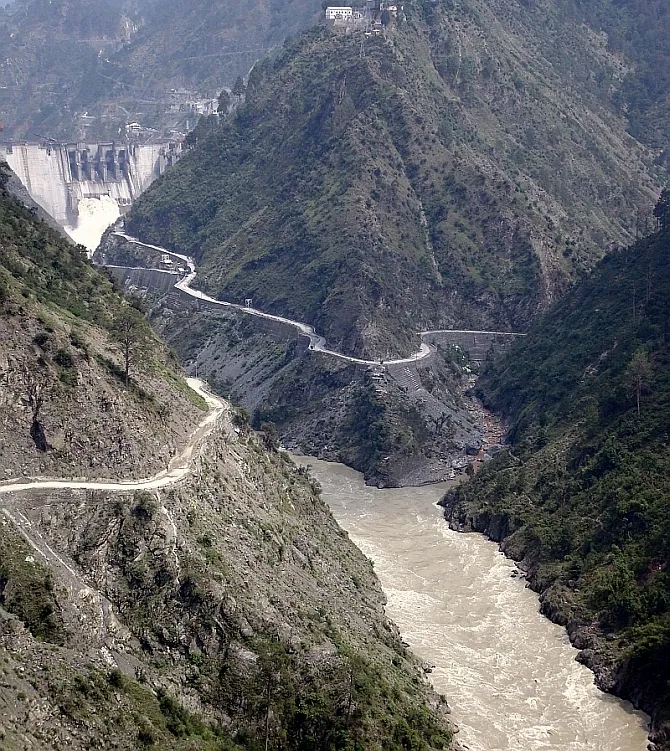
Water security in South Asia is emerging as a growing point of tension with recent developments raising serious concerns about regional stability and humanitarian impact. The long-standing framework governing shared water resources between India and Pakistan is now under renewed strain highlighting the fragile balance between geopolitics and environmental sustainability.
At the centre of the issue lies the Indus River system, a critical lifeline for millions of people, particularly in Pakistan where the majority of agriculture depends on its waters. For decades, the *Indus Waters Treaty* has served as a cornerstone agreement regulating how the two countries share rivers originating in the Himalayas.
Recent tensions escalated following the *Pahalgam incident*, after which India reportedly took steps that Pakistan views as a violation of treaty obligations. These actions included the suspension of certain cooperative mechanisms and restrictions related to water flow and data sharing. Islamabad has strongly criticised these measures describing them as a threat to regional water security.
Concerns intensified further during flooding events linked to the *Chenab River*, when sudden surges of water reportedly caused widespread damage in parts of Pakistani Punjab. The absence of real-time hydrological data limited early warning systems, leaving vulnerable communities exposed to flash floods that destroyed homes, crops and livestock.
International attention has also focused on the legal standing of the treaty. The *Permanent Court of Arbitration* has reaffirmed that the agreement remains valid underscoring the importance of adhering to established frameworks for transboundary water management. Such mechanisms are designed to prevent exactly the kind of escalation now being witnessed.
Beyond political tensions, the issue reflects a deeper environmental and humanitarian challenge. Water is not only a shared natural resource but also the foundation of food security, economic stability and public health. In Pakistan, more than 80 percent of agriculture relies on the Indus Basin making any disruption a matter of national concern.
Experts warn that the weaponisation of water whether through flow manipulation or restricted data sharing could set a dangerous precedent in international relations. It risks transforming natural resources into tools of pressure, potentially destabilising already sensitive regions.
The situation highlights the urgent need for cooperation, transparency and adherence to international agreements. Strengthening communication channels improving data sharing and reinforcing legal commitments are essential steps to prevent further escalation.
As climate change intensifies water scarcity and increases the frequency of extreme weather events, disputes over shared rivers are likely to become more frequent. The Indus Basin, already under pressure, now stands as a critical test case for how nations manage shared environmental resources in an increasingly uncertain world.
Keywords:
India Pakistan water dispute
Indus River water crisis
Chenab River flooding Pakistan
water security South Asia
Indus Waters Treaty violation
transboundary water conflict
Pakistan agriculture water crisis
Permanent Court of Arbitration ruling
climate change water conflict
regional water tensions
Asian Burg | International Relations / Environment
Send your feedback via email info@asianburg.com