




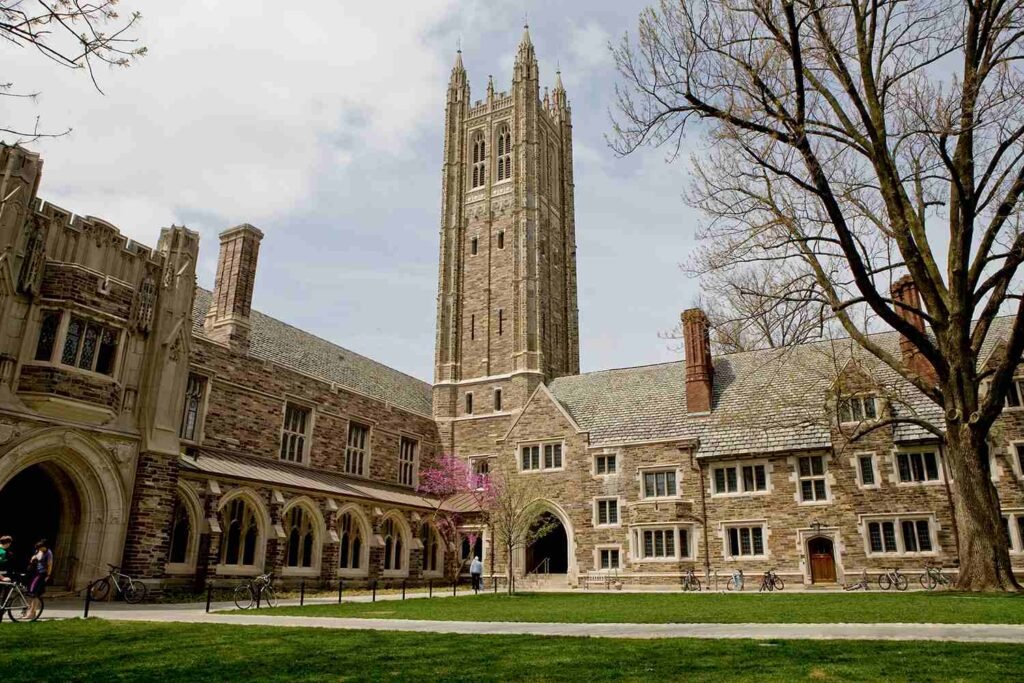
Economists have developed a fresh perspective on why graduates of top universities often achieve extraordinary career success. Students from America’s most elite institutions dominate positions of influence in business and media at a level that almost seems unbelievable. The combined undergraduate population of Ivy League schools along with highly selective universities like the University of Chicago, Duke, Stanford and MIT is less than half a percent of the country’s total. Yet their alumni account for more than 12 percent of Fortune 500 CEOs, 32 percent of journalists at the New York Times and 13 percent of the wealthiest 0.1 percent.
It is clear that students at the most prestigious universities tend to have remarkable career trajectories. But the question of why remains surprisingly complex. Is it because the exceptionally talented and privileged young people who gain admission would have succeeded anywhere? Could it be the rigorous academic programs taught by world class professors? Or do employers simply give extra weight to the name on the diploma?
According to John Friedman, an economist at Brown University, these common explanations miss the real point. Friedman, known for his work on economic mobility with Harvard economist Raj Chetty, believes the greatest advantage of an Ivy Plus education is not instruction, prestige or even networking. It is the chance to learn how to excel while surrounded by the world’s most ambitious and capable peers.
Being in classrooms with these students, completing assignments together, collaborating in clubs, sharing meals, deciding who will live with whom all of these experiences combine to create an environment that trains students for top level professional roles,” Friedman explains. In short, what an academically gifted 18 year old receives from paying for an Ivy League education is sustained exposure to peers who are just as driven. In Friedman’s view, that experience is worth every rupee.
Keywords:
Ivy League, Elite universities, Graduate success, Fortune 500 CEOs, Academic prestige, Peer influence, Economic mobility, Ivy Plus education, John Friedman, Raj Chetty
Asian Burg | Global Desk
Send your feedback via email info@asianburg.com