


Rafia Batool
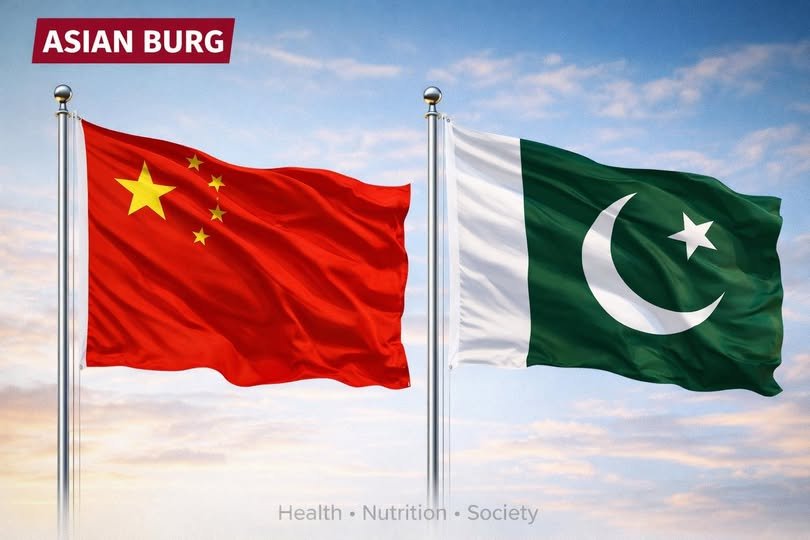
There was a time when Pakistanis were considered relatively taller in the region while East Asian populations were viewed as shorter. Today, the pattern is shifting. Countries like China and South Korea have steadily increased their average height while Pakistan’s progress has slowed and in some segments, it is stagnated. This change is not genetic destiny rather it is largely nutritional reality.
China’s improvement did not happen by chance. Over decades, diets became richer in protein through eggs, poultry, fish, dairy and soy products. School milk programs, food fortification and sustained public-health campaigns quietly transformed eating habits. Meals increasingly balanced grains with vegetables, legumes and animal-source foods are delivering essential nutrients such as calcium, zinc, iron and vitamins that directly support growth.
Pakistan’s issue is less about food shortage and more about food imbalance. The national diet still revolves around wheat and rice, while protein, dairy, fruits and micronutrient-rich foods remain irregular especially for low-income families. Deficiencies of vitamin D, calcium, zinc and iron are widespread. At the same time, processed and fried foods are rising, creating a paradox where calorie intake increases but nutritional quality declines. Weight may rise yet height potential remains undernourished.
The roots extend even earlier to maternal nutrition and early-childhood feeding where gaps are difficult to reverse later. China treated nutrition as national infrastructure through policy integration and school programs while Pakistan has largely left it to household affordability.
Height is not merely a cosmetic trait but it is a visible indicator of a nation’s health, equity and governance priorities. Populations grow taller when policy, diet and awareness move together. The question for Pakistan is not why others are rising but whether it is ready to change what its children consistently miss.
*About the Author*
Rafia Batool is a professional nutritionist with a keen interest in public health, dietary behaviour and community nutrition awareness. Her work focuses on translating scientific nutrition knowledge into simple, practical guidance for everyday life. She regularly writes on food patterns, lifestyle health and preventive nutrition to promote informed and healthier societies