



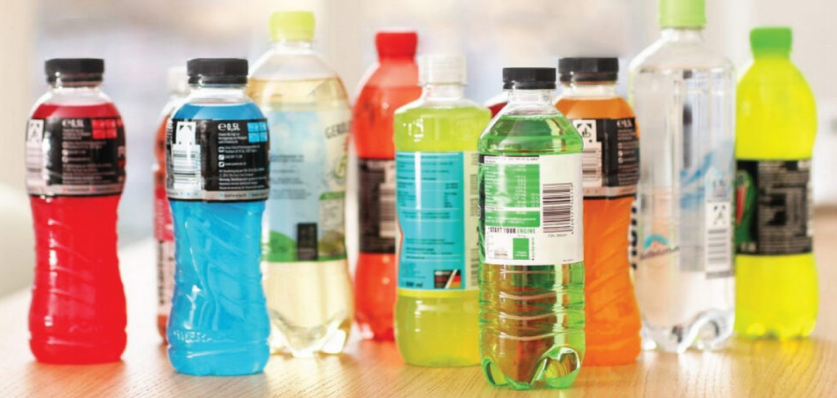
Hydration is fundamental to human health, yet modern hydration practices are increasingly dominated by sugar-sweetened beverages, flavored drinks and commercial electrolyte formulas that often contain excessive sugar, artificial additives and unnecessary calories. While these products are marketed as essential for energy and performance, growing scientific evidence suggests that they may contribute to obesity, insulin resistance and dental and cardiovascular problems when consumed regularly. In contrast, simple homemade beverages and natural electrolyte sources offer a safer and more effective approach to maintaining fluid and mineral balance.
Understanding Hydration and Electrolyte Balance
Hydration is not solely about water intake. The body requires an appropriate balance of electrolytes including sodium, potassium, magnesium and chloride to maintain fluid distribution, nerve transmission, muscle contraction and blood pressure regulation. These minerals are lost daily through sweat, urine and respiration and their replacement becomes particularly important during hot weather, physical activity, illness, pregnancy and fasting.
According to the World Health Organization, optimal hydration should support physiological needs without excessive sugar or unnecessary additives. However, many commercial hydration drinks contain sugar levels comparable to soft drinks, undermining their health benefits.
The Problem with Sugary Hydration Drinks
Sugar-sweetened beverages marketed as sports or energy drinks often provide more calories than electrolytes. Regular consumption can lead to rapid blood glucose spikes followed by insulin surges that promote fat storage and metabolic stress. In children and sedentary adults, these drinks are a documented contributor to weight gain, dental caries and increased risk of type 2 diabetes.
Moreover, artificial colors, preservatives and flavor enhancers may burden the liver and kidneys without offering any nutritional advantage. For most individuals who are not endurance athletes, these drinks are unnecessary and counterproductive.
Homemade Lemonade as a Functional Hydration Drink
Homemade lemonade, when prepared without refined sugar, is one of the most effective and affordable hydration solutions. Fresh lemon juice provides potassium, vitamin C and natural citric acid which enhances mineral absorption and supports digestion.
A basic formulation of water, freshly squeezed lemon juice, a small pinch of salt and optional natural sweeteners such as honey or dates creates a balanced beverage that replenishes fluids while supplying essential electrolytes. Unlike commercial drinks, homemade lemonade allows full control over sugar content and ingredient quality.
Scientific studies show that citrus-based beverages improve hydration adherence due to palatability while avoiding the metabolic burden of high sugar intake. Vitamin C further supports immune function and reduces oxidative stress, particularly during heat exposure.
Natural Electrolyte Sources from Foods
Electrolyte balance does not require synthetic powders or bottled drinks. Many whole foods naturally provide the minerals needed for optimal hydration:
- Coconut water is rich in potassium and magnesium, making it effective for mild dehydration
- Fruits such as oranges, bananas and watermelon contribute potassium and water simultaneously
- Vegetables like cucumber, tomatoes and leafy greens provide hydration along with sodium and magnesium in natural ratios
- Yogurt and fermented foods support hydration while improving gut health and mineral absorption
These foods hydrate the body while also delivering fiber, antioxidants and micronutrients that sugar drinks lack.
Electrolytes, Hormones and Energy Balance
Proper hydration influences hormonal regulation including aldosterone and antidiuretic hormone, which control fluid balance and blood pressure. Excess sugar intake disrupts these systems by promoting insulin spikes and increased sodium retention, contributing to bloating and hypertension.
Natural electrolyte drinks maintain hydration without triggering hormonal stress responses. This is particularly important for individuals with diabetes, hypertension, kidney disease and hormonal disorders as well as for pregnant and lactating women.
Hydration in Hot Climates and Fasting States
In hot climates and during fasting periods, dehydration risk increases due to fluid loss and limited intake windows. Homemade electrolyte drinks consumed during non-fasting hours can prevent fatigue, headaches, muscle cramps and dizziness without overwhelming the digestive system.
Unlike sugary beverages, natural hydration solutions restore balance without increasing thirst or causing gastrointestinal discomfort.
Public Health and Preventive Nutrition Perspective
From a public health standpoint, promoting natural hydration strategies can significantly reduce sugar consumption at the population level. Encouraging homemade beverages, traditional drinks and water-rich foods aligns with preventive nutrition goals and helps combat rising rates of obesity and metabolic disease.
Schools, workplaces and healthcare programs can play a critical role by discouraging sugary drinks and educating communities on simple and evidence-based hydration practices.
Conclusion
Hydration should support health, not compromise it. While commercial sugar-laden drinks dominate the market, they are neither necessary nor beneficial for most people. Homemade lemonade and natural electrolyte sources offer a physiologically sound, affordable and culturally adaptable solution for maintaining optimal hydration.
By shifting away from sugar drinks and embracing natural hydration, individuals can protect metabolic health, support hormonal balance and enhance overall well-being, making hydration a powerful tool in preventive healthcare rather than a hidden risk factor.
Author
Jaweria Nazeer
Nutritionist

Send your feedback via email info@asianburg.com