



Introduction
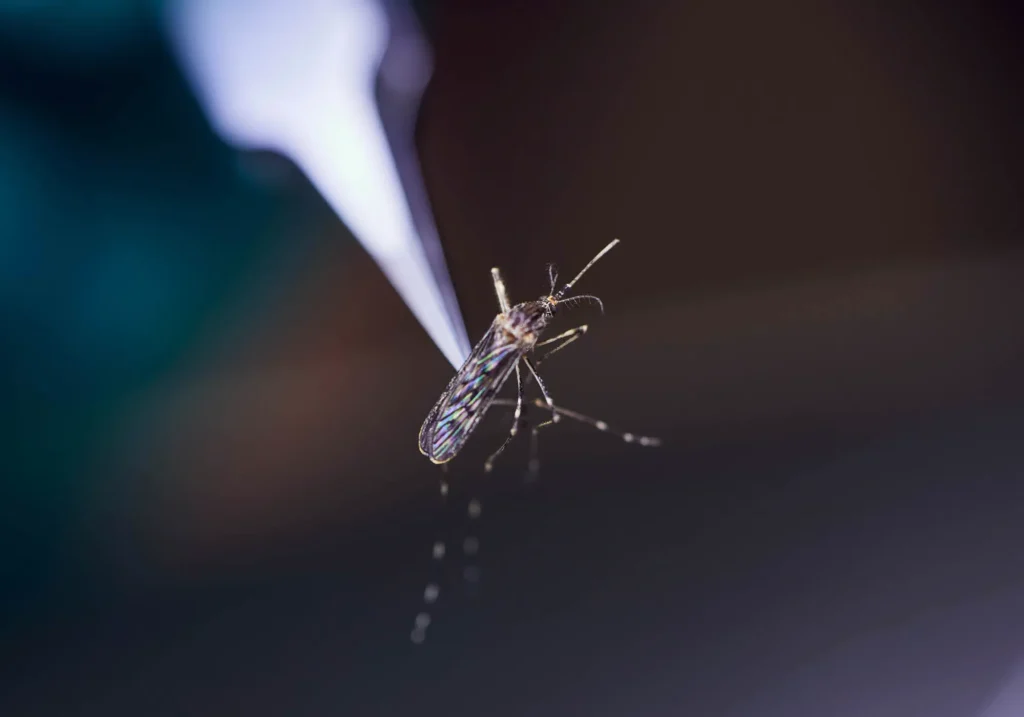
Mosquitoes are considered the deadliest animals on Earth due to their role in spreading life-threatening diseases. Scientists are now exploring advanced technologies to control or even eliminate certain mosquito species. However, this raises an important question, should humans completely eradicate them or manage their population responsibly?
Why Mosquitoes Are a Global Threat
Mosquito is responsible for spreading deadly diseases such as:
Malaria
Dengue
Zika virus
Chikungunya
Yellow fever
Every year, mosquitoes contribute to hundreds of thousands of deaths worldwide. Climate change is also expanding their habitat increasing global risk.
Can We Really Eradicate Mosquitoes?
There are over 3,500 mosquito species but only a small number are responsible for spreading human diseases. Scientists suggest that eliminating only the most dangerous species could significantly reduce global infections without completely destroying ecosystems.
Scientific Approaches to Control Mosquitoes
Researchers are testing two major methods:
1. Gene Drive Technology
A genetic engineering technique that forces a specific trait (like infertility) to spread rapidly through mosquito populations, potentially collapsing them over generations.
2. Wolbachia Method
Wolbachia is introduced into mosquitoes to reduce their ability to transmit diseases. In some regions, this method has led to a major drop in dengue cases.
Ecological Risks of Eradication
Although dangerous to humans, mosquitoes still play roles in ecosystems:
They act as food for fish, birds and other insects
They contribute to pollination in some environments
They support nutrient cycles in ecosystems
Removing them completely could disrupt food chains, especially in fragile ecosystems like the Arctic tundra.
Ethical and Scientific Debate
The idea of eliminating a species raises ethical concerns known as “species extinction by design.”
Scientists are divided between:
Public health benefits (reducing deadly diseases)
Environmental risks (ecosystem imbalance)
Most experts suggest targeted control rather than full eradication.
Conclusion
Mosquitoes remain one of the most dangerous biological threats to humans. While modern science offers powerful tools like genetic engineering and bacteria-based control, complete eradication may create new ecological challenges.
A balanced approach focused on disease control, prevention and targeted mosquito reduction may be the safest path forward.
Keywords:
mosquito eradication
gene drive mosquitoes
wolbachia mosquito control
deadliest animals on earth
mosquito borne diseases prevention
genetic engineering insects
malaria dengue control methods
ecosystem impact mosquitoes
climate change mosquito spread
public health vector control
Asian Burg | Science / Health
Send your feedback via email info@asianburg.com