




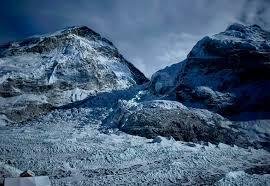
More than three decades after the tragic 1996 storm on Mount Everest, experts say the greatest dangers on the peak have shifted from extreme weather to human and environmental pressures.
The disaster, which claimed eight lives and was later chronicled in Into Thin Air by Jon Krakauer, marked a turning point in how Everest was perceived. It transformed the mountain from an elite mountaineering challenge into a commercialized global ambition.
Since the first successful ascent by Edmund Hillary and Tenzing Norgay in 1953, climbing Everest has evolved dramatically. Today, improved equipment, advanced weather forecasting and better communication systems have made expeditions safer and more accessible.
However, the rise in commercial expeditions has introduced new risks. Overcrowding near the summit, long queues in the so-called “death zone” and an increase in inexperienced climbers have heightened the danger. Delays at extreme altitudes can lead to oxygen depletion, frostbite and fatal exhaustion.
Another major concern is the growing number of budget operators offering low-cost expeditions while compromising on safety standards. Experts warn that insufficient training, inadequate guide support and poor planning significantly increase the likelihood of accidents.
At the same time, climate change is reshaping the mountain environment. Melting glaciers and unstable ice formations, particularly in the Khumbu Icefall have made climbing routes more hazardous. Rising temperatures are increasing the frequency of avalanches and structural ice collapses.
Despite these challenges, Everest remains a major source of income for Nepal supporting tourism and local livelihoods. The role of Sherpa climbers has also evolved with many now leading expeditions and dominating the guiding industry.
The mountain continues to attract thousands of climbers each year, but experts emphasize that proper training, stricter regulations and responsible expedition practices are essential to ensure safety on the world’s highest peak.
Keywords:
Everest overcrowding
Everest climate change impact
1996 Everest disaster analysis
Khumbu Icefall danger
Everest commercial climbing risks
Nepal tourism Everest
Sherpa climbers role Everest
death zone Everest risks
mountaineering safety Everest
high altitude climbing dangers
Asian Burg | Travel / Environment
Send your feedback via email info@asianburg.com