




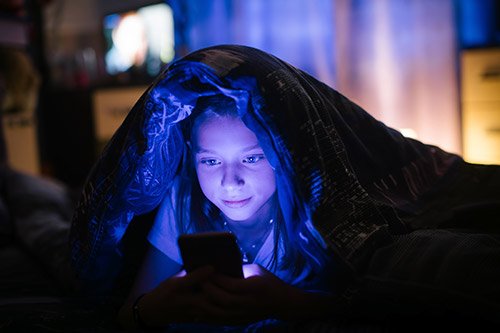
Late-night phone use among teenagers is emerging as a growing concern, as increasing evidence suggests that screen habits are significantly disrupting sleep patterns and affecting overall well-being.
Health experts recommend that adolescents get between eight and ten hours of sleep each night. However, recent research indicates that a large proportion of teenagers are spending extended periods on their phones during late-night hours, often at the expense of adequate rest.
This shift in behaviour is not merely a matter of habit but reflects a deeper structural change in how young people interact with technology. Social media platforms, streaming services and messaging applications have become central to teenage life, creating a cycle of constant engagement that extends well beyond bedtime.
The consequences of this pattern are becoming increasingly visible. Sleep plays a critical role in cognitive development, particularly during adolescence when the brain is still maturing. Reduced sleep impairs memory consolidation, making it more difficult for students to retain information and perform effectively in academic settings.
Beyond learning, emotional stability is also closely tied to sleep. Studies have shown that sleep deprivation can lead to increased irritability, anxiety and mood instability among teenagers. Even modest reductions in sleep duration have been associated with noticeable changes in behaviour, including heightened emotional sensitivity and reduced capacity to manage stress.
The risks extend further for vulnerable individuals. Persistent sleep disruption has been linked to a higher likelihood of depression, anxiety and risk-taking behaviour. In extreme cases, it may contribute to more serious mental health concerns, underscoring the importance of addressing the issue early.
Technology itself plays a dual role in this problem. While it offers connection and entertainment, it also actively interferes with the body’s natural sleep processes. The stimulating nature of online interaction increases alertness at a time when the brain should be winding down. In addition, notifications and alerts can interrupt sleep cycles making it harder to achieve deep, restorative rest.
There is also a behavioural dimension. The habit of checking phones upon waking during the night reinforces a cycle of disrupted sleep, as exposure to new content reactivates the brain and delays the return to sleep.
Addressing this issue requires more than individual discipline. Experts emphasise the importance of a broader, family-based approach to managing screen use. Parents play a key role in shaping digital habits, and their own behaviour often sets the standard for children.
Creating structured routines can help restore balance. Establishing screen-free periods, particularly before bedtime, and keeping devices out of bedrooms are commonly recommended strategies. Encouraging alternative activities that do not involve screens can also reduce reliance on digital engagement.
Ultimately, the challenge lies in recognising that late-night phone use is not just a personal choice but part of a wider cultural shift driven by technology. Managing its impact will require awareness, consistency and a collective effort to prioritise healthy sleep habits.
As digital devices continue to dominate daily life, ensuring that teenagers get the rest they need is becoming an increasingly urgent priority.
Keywords:
teen sleep deprivation
late night phone use teens
screen time impact sleep
teen mental health sleep
social media sleep disruption
sleep and cognitive function teens
adolescent sleep research
phone addiction teenagers
healthy sleep habits teens
digital wellbeing adolescents
Asian Burg | Health / Lifestyle
end your feedback via email info@asianburg.com