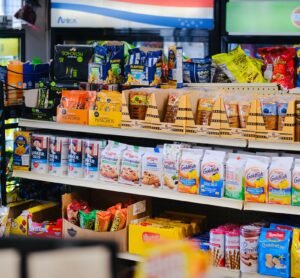





Reducing sugar intake has become one of the most pressing yet overlooked challenges in modern diets, as hidden sugars continue to dominate everyday food consumption. (To read more about Hidden Sugars in Everyday Foods)
Health guidelines recommend that added sugars should make up only a small fraction of daily energy intake. Yet in practice, sugar is deeply embedded in the foods and drinks people consume regularly, often in forms that are not immediately recognisable. From processed meals to beverages and packaged snacks, sugar has become a routine part of diets rather than an occasional indulgence.
One of the central issues lies in awareness. Sugar does not always appear on labels under a single name. It is listed in multiple forms making it difficult for consumers to identify how much they are actually consuming. As a result, many people underestimate their daily intake believing their diets to be healthier than they are.
This problem is particularly visible in everyday eating habits. Breakfast foods, often marketed as nutritious, can contain significant amounts of sugar. Similarly, ready-made meals and sauces frequently include added sugars to enhance flavour, even when they are not perceived as sweet foods.
Sugary drinks represent another major source of excess intake. Beverages such as soft drinks, sweetened juices and flavoured milk products contribute a disproportionate share of daily sugar consumption. Unlike solid foods, these drinks provide little satiety making it easier to consume large quantities without noticing.
The health implications are substantial. Excessive sugar intake is linked to weight gain, dental problems and an increased risk of chronic conditions. Beyond physical health, dietary habits also shape long-term wellbeing, influencing energy levels, metabolic health and overall quality of life.
There is also a behavioural dimension to sugar consumption. Habits formed through regular exposure to sweetened foods can create a preference for high-sugar diets making it difficult to transition to healthier alternatives. Over time, this reinforces a cycle where reduced sugar intake feels less satisfying, even when it is beneficial.
Addressing this challenge does not require drastic or immediate change. Gradual adjustments can be more sustainable and effective. Reducing portion sizes, choosing lower-sugar alternatives and replacing sugary snacks with whole foods such as fruits and nuts are practical starting points.
Equally important is the role of informed decision-making. Reading food labels, recognising different forms of sugar and understanding recommended intake levels can empower individuals to make healthier choices. Small changes, when applied consistently, can significantly reduce overall consumption.
Ultimately, the issue of sugar is not confined to individual behaviour. It reflects broader patterns in food production, marketing and consumption. As processed foods continue to dominate modern diets, reducing sugar intake requires both personal awareness and systemic change.
The path to healthier living is not about eliminating sugar entirely but about restoring balance. In a food environment where sugar is everywhere making conscious choices has become essential rather than optional.
Keywords:
cutting sugar diet
hidden sugar foods
healthy eating habits
sugar consumption health risks
balanced diet nutrition
low sugar lifestyle
processed food sugar content
daily sugar intake limits
nutrition awareness
healthy food choices
Asian Burg | Health / Lifestyle
Send your feedback via email info@asianburg.com