




As climate concerns grow worldwide, initiatives that connect local realities with global expertise are becoming increasingly important. A new programme in northern Pakistan aims to do exactly that by bringing together diverse voices to explore the future of one of the country’s most unique landscapes.
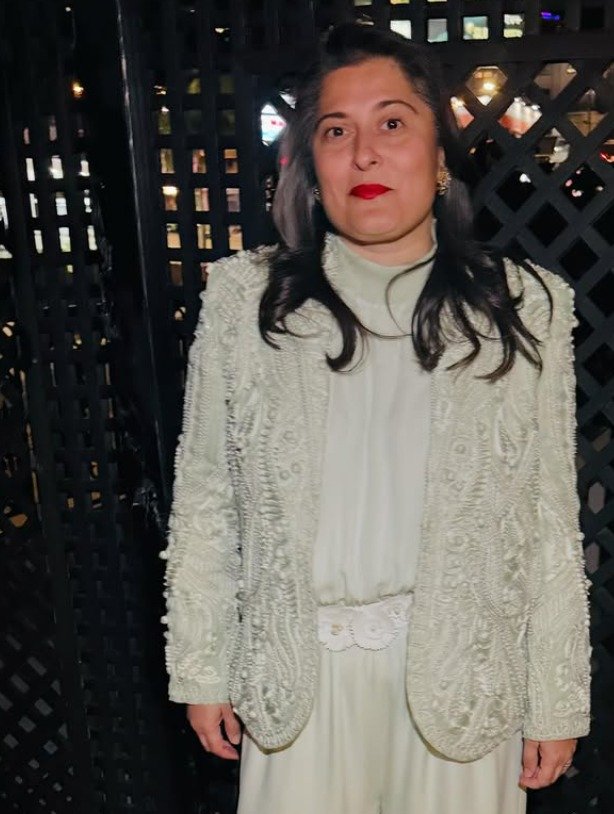
The initiative, led by filmmaker and activist Sharmeen Obaid-Chinoy is part of the broader Neela Asmaan platform. After previously hosting artists and storytellers, the programme is now expanding its focus toward research and long-term environmental thinking.
At the heart of this effort is the Climate Futures Residency, set in the scenic Shigar Valley. The programme invites researchers, scientists, environmentalists, architects and policy experts to spend time in the region, engaging directly with its landscape and communities. The goal is to develop a deeper understanding of how climate change and development pressures are shaping the valley’s future.
The residency is structured into two phases. The first phase, “Reading the Valley,” focuses on observation, field research and community interaction. Participants will engage with local stakeholders, including farmers, tourism operators and government representatives to gain insights into the region’s challenges.
The second phase, “Imagining Futures,” shifts toward forward-thinking solutions. Participants will collaborate to design strategies, policies and ideas that address long-term environmental and social changes. This approach reflects a growing recognition that sustainable development requires both local knowledge and interdisciplinary expertise.
Selected participants will be supported with accommodation, travel logistics and a stipend making the programme accessible to both local and international applicants. The outcomes of the residency will be compiled into an annual publication, The Shigar Futures Paper, which aims to document ideas and proposals for the region’s sustainable development.
The initiative comes at a time when global discussions around climate, migration, food systems and conservation are becoming increasingly urgent. Rather than relying solely on academic or institutional settings, the programme emphasizes learning from real-world environments like Shigar, where communities are already adapting to changing conditions.
By creating space for collaboration between local voices and global experts, the residency highlights the importance of inclusive and grounded approaches to climate challenges. It reflects a broader shift toward solutions that are not only innovative but also deeply connected to the communities they aim to serve.
In a world facing complex environmental uncertainties, initiatives like this underscore the value of dialogue, research and shared responsibility in shaping a more sustainable future.
Keywords: Sharmeen Obaid Chinoy Neela Asmaan Shigar Valley climate program Pakistan climate residency environmental research Pakistan sustainable development Gilgit Baltistan climate change initiatives Pakistan research residency programs Shigar Futures Paper climate policy research community engagement environment
Asian Burg | Culture / Environment
Send your feedback via email info@asianburg.com