



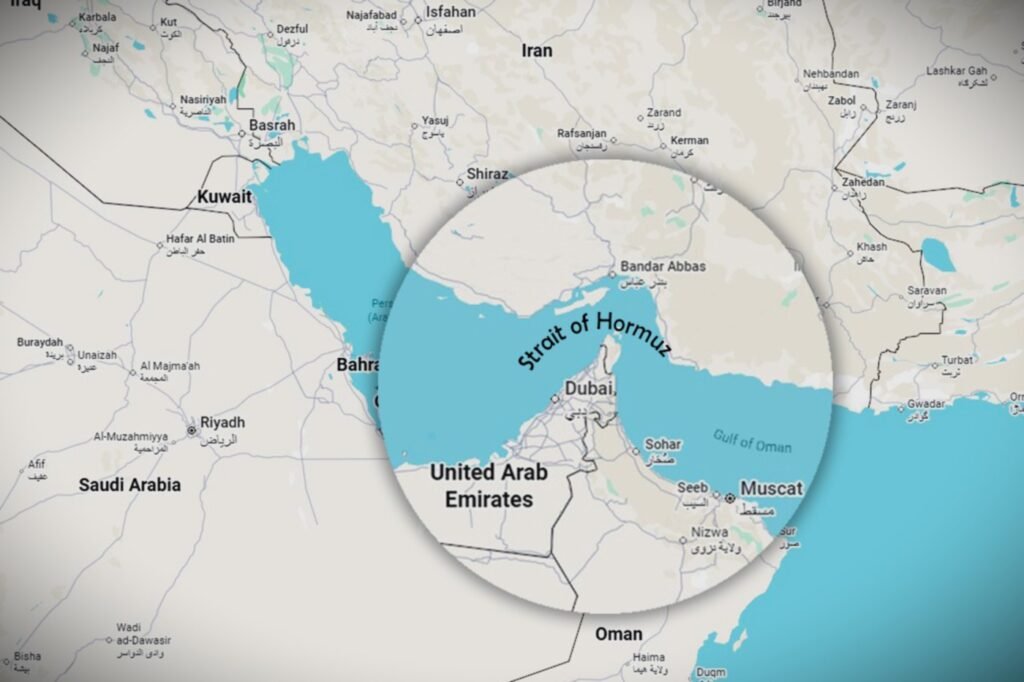
The Strait of Hormuz has once again become a center of international concern after commercial ships were reportedly targeted following a temporary ceasefire between Washington and Tehran. The renewed tensions have raised questions about why Iran is increasing pressure in one of the world’s most important maritime routes.
According to analysts, one major reason behind the dispute is control over shipping routes through the Strait of Hormuz. Before recent tensions, most commercial vessels followed a central route. However, after security concerns increased, some ships began using alternative routes closer to Oman. Iran views this shift as a challenge to its influence over the strategic waterway.
Iran has pushed for ships to follow routes approved by Tehran, while the United States and Gulf countries argue that international shipping lanes should remain open and not be controlled by any single country.
The conflict is also connected to broader diplomatic and economic pressure. When negotiations with Iran slow down, Tehran has historically used regional influence and military capabilities as a way to send political messages. Instead of direct conventional conflict, Iran often relies on tools such as drones, missiles and fast boats to demonstrate its ability to disrupt regional security.
The strategic importance of the Strait of Hormuz makes these tensions a global concern. A significant portion of the world’s energy shipments passes through this narrow waterway, meaning any disruption could affect international markets and energy prices.
The United States has supported alternative maritime routes to provide safer passage for commercial vessels. However, Iran argues that it has the right to protect its interests and maintain influence in the region.
From an analytical perspective, the dispute is not only about individual ship movements but also about power, security and control over a critical global trade route. Both sides are using maritime strategy as a tool to strengthen their negotiating positions.
The future remains uncertain. If ships can continue passing safely without confrontation, tensions may gradually decrease. However, continued attacks or restrictions could increase regional instability and create wider economic consequences.
Ultimately, the Strait of Hormuz remains a key point of geopolitical competition. Iran’s actions reflect its desire to maintain influence, while international powers seek to ensure freedom of navigation and stability in one of the world’s most important waterways.
Keywords:
Iran ship attacks explained, Strait of Hormuz tensions, Iran US conflict analysis, Middle East maritime security, global oil supply risk, Iran foreign policy
Asian Burg \ World News / Geopolitics