




Iran’s ability to target American military positions and vessels has reportedly improved significantly during the war with US intelligence assessments pointing to assistance from Chinese entities as one factor behind the change.
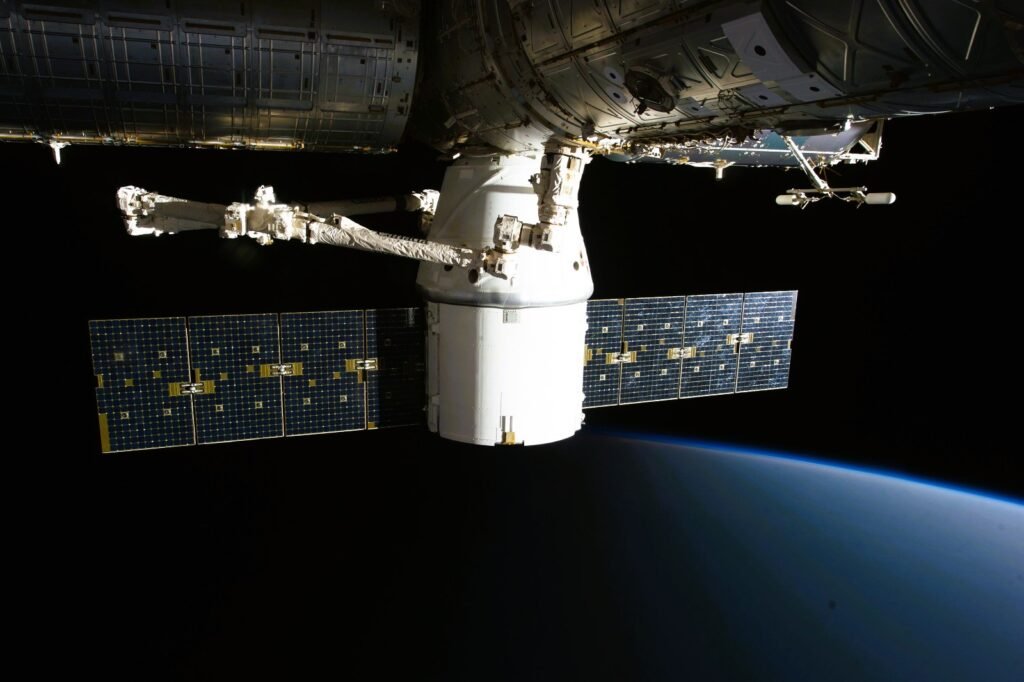
According to American officials familiar with recent intelligence assessments, Chinese satellite imagery and geospatial information have helped Tehran identify targets in the Middle East and improve its ability to track shipping through the Strait of Hormuz.
The claims add another layer to an increasingly complex conflict involving the United States, Iran, Russia and China. US officials say Chinese assistance is only one of several reasons for Iran’s improving battlefield performance, alongside Russian support, domestic production and months of combat experience.
Satellite Data and a Deadly Strike
One of the most significant examples cited by US officials concerns a July attack on an American military facility in Jordan.
The attack killed three US service members. American officials have said Iranian forces had access to high-resolution satellite imagery of the base supplied by Chinese entities before the strike. The Wall Street Journal previously reported the connection, citing US officials familiar with the matter.
US officials have not publicly accused the Chinese government itself of directing the assistance.
Reuters reported earlier this month that President Donald Trump played down the allegations, saying China engages in surveillance just as the United States does. Beijing has rejected accusations of wrongdoing.
The distinction between Chinese companies or entities and direct government involvement remains important. US officials themselves have acknowledged that the exact scope of Beijing’s role is difficult to establish.
A New Challenge in the Strait of Hormuz
American officials also say Chinese geospatial information has helped Iranian forces track ships moving through the Strait of Hormuz.
The waterway has become a central flashpoint in the conflict because of its importance to global energy supplies and commercial shipping.
According to the assessments described to CNN, Iranian forces have used relatively basic heat-seeking drones against vessels after identifying favorable points along shipping routes.
The drones themselves are not considered particularly advanced. Their effectiveness can increase, however, when operators have better information about where and when vessels are likely to pass.
During one recent US escort operation, American forces reportedly intercepted more than a dozen Iranian missiles and nearly 20 drones while conducting attacks against targets around the strait.
Iran’s Military Has Been Adapting
US officials say the improvements cannot be attributed entirely to Chinese assistance.
Iranian forces have accumulated substantial battlefield experience during months of fighting, while Russia has also provided support. Iranian engineers have continued developing and rebuilding missile and drone capabilities despite repeated attacks on the country’s military infrastructure.
US officials have also expressed concern about Iran obtaining dual-use components that can support the rebuilding of its military and industrial capacity.
Recent American assessments indicate that Iran has become more capable of striking US positions across the region, including facilities in Kuwait, Bahrain, Qatar, the United Arab Emirates, Saudi Arabia, Iraq, Oman and Jordan.
A Pentagon inspector general report said Iranian attacks damaged or destroyed hundreds of buildings and structures at US bases during the first months of the war.
Washington’s Growing Concern
The improvement in Iranian targeting has forced the US military to adjust how personnel, equipment and storage facilities are positioned across the region.
American officials have also highlighted vulnerabilities to lower-altitude drones and missiles, which can present different challenges from the higher-altitude threats addressed by sophisticated air-defense systems.
The United States sanctioned three Chinese satellite companies in May over alleged assistance to Iran. Washington said the companies had provided imagery that could enable Iranian military operations against US forces.
China has rejected accusations that it is deliberately supporting attacks on American personnel.
Another Complication for US-China Relations
The allegations come at a sensitive moment in relations between Washington and Beijing.
China’s economic relationship with Iran, its role in global energy markets and its growing space and satellite capabilities have already made Beijing an important factor in the broader Middle East conflict.
US officials now face the question of how much Chinese commercial or technical support is reaching Tehran and whether any of it has been coordinated with the Chinese government.
That question also carries implications beyond the battlefield.
As Iran improves its ability to identify American targets and disrupt shipping around the Strait of Hormuz, satellite imagery and other commercially available technologies are becoming an increasingly important part of modern warfare.
The conflict is therefore demonstrating how military advantages can increasingly come not only from missiles and aircraft, but also from information and how difficult it can be to separate commercial technology from strategic military support.
Keywords: China satellite imagery Iran, Iran US war, Strait of Hormuz, Iranian targeting, Chinese intelligence Iran, US military bases, Iran drones, Iran missiles, US China relations, Middle East conflict
Asian Burg / International