




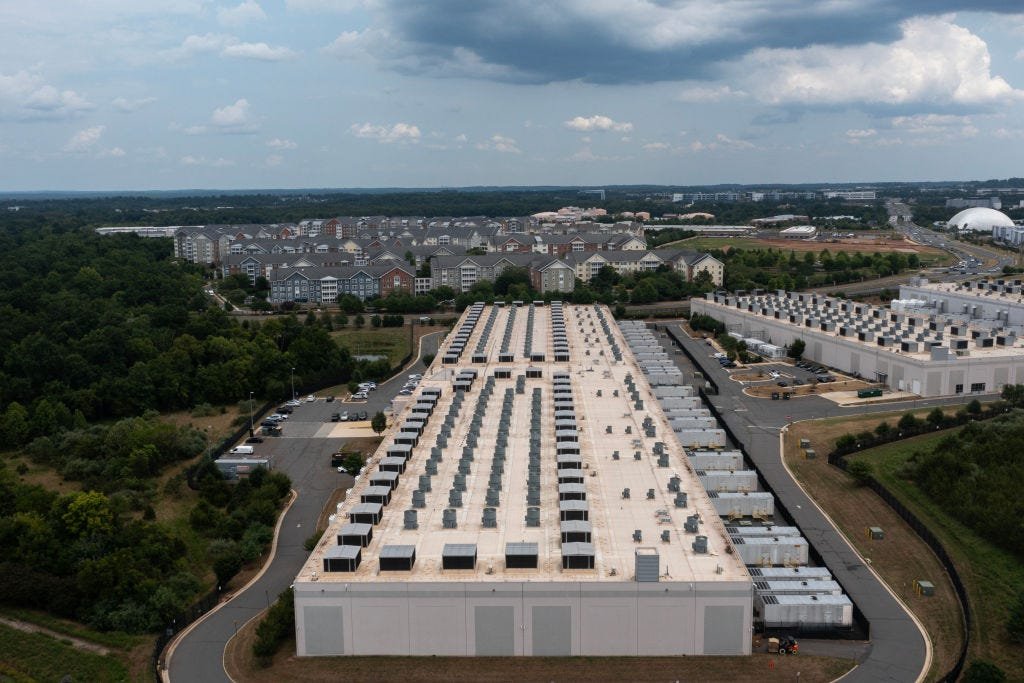
The rapid expansion of artificial intelligence is transforming industries and economies but new findings suggest that this technological revolution may come with a significant environmental cost.
A recent report supported by the *United Nations* highlights the growing strain that AI infrastructure could place on global resources. According to the study, data centres powering AI systems may consume enough water by 2030 to meet the annual domestic needs of approximately 1.3 billion people.
This surge is largely driven by the increasing demand for computing power. AI models require vast networks of servers, which generate heat and rely heavily on water-based cooling systems to function efficiently. As AI adoption accelerates across sectors, the pressure on water resources is expected to intensify, particularly in regions already facing scarcity.
The report also underscores the immense energy requirements of AI systems. By the end of the decade, data centres are projected to consume around 945 terawatt-hours (TWh) of electricity annually. This figure is nearly three times the combined yearly electricity consumption of countries such as Pakistan, Bangladesh and Nigeria illustrating the scale of the challenge.
Such projections raise concerns about sustainability, especially as many data centres continue to rely on non-renewable energy sources. Without significant shifts toward clean energy and efficient infrastructure, the environmental footprint of AI could expand rapidly undermining global climate goals.
Experts argue that addressing these challenges will require coordinated efforts from governments, technology companies and researchers. Innovations in energy-efficient hardware, alternative cooling methods and renewable power integration are seen as critical steps in reducing the environmental impact.
The findings reflect a broader reality: while AI holds immense potential to drive progress, its long-term sustainability depends on how responsibly it is developed and deployed. Balancing technological advancement with environmental stewardship is likely to become one of the defining challenges of the digital age.
Keywords:
AI data centres water usage
artificial intelligence energy consumption
UN report AI environment
data centre electricity demand
AI sustainability challenges
water consumption technology
AI climate impact
global energy usage AI
future of AI infrastructure
environmental cost of AI
Moanir Abi Hadi
About Author:
Moanir Abi Hadi is a media analyst and content strategist at Asian Burg, producing insightful work on geopolitics, digital infrastructure and social change. He can be reached at info@asianburg.com