




Asia is currently facing what experts describe as a “perfect storm,” as geopolitical tensions, rising inflation and extreme climate conditions driven by El Niño combine to create a serious regional crisis. This powerful combination is putting millions of people at risk, affecting food supplies, economies and daily life across multiple countries.
One of the major contributing factors is ongoing geopolitical conflict, which continues to disrupt global supply chains and energy markets. Wars and regional instability have driven up the cost of fuel and essential goods making life more expensive for households and businesses alike. These disruptions are particularly damaging in Asia, where many economies rely heavily on imports and global trade.
At the same time, inflation has surged across several Asian nations, increasing the cost of food, transportation and basic necessities. Rising prices are hitting low- and middle-income populations the hardest, reducing purchasing power and increasing the risk of poverty. Economists warn that prolonged inflation could slow economic growth and create long-term financial instability in the region.
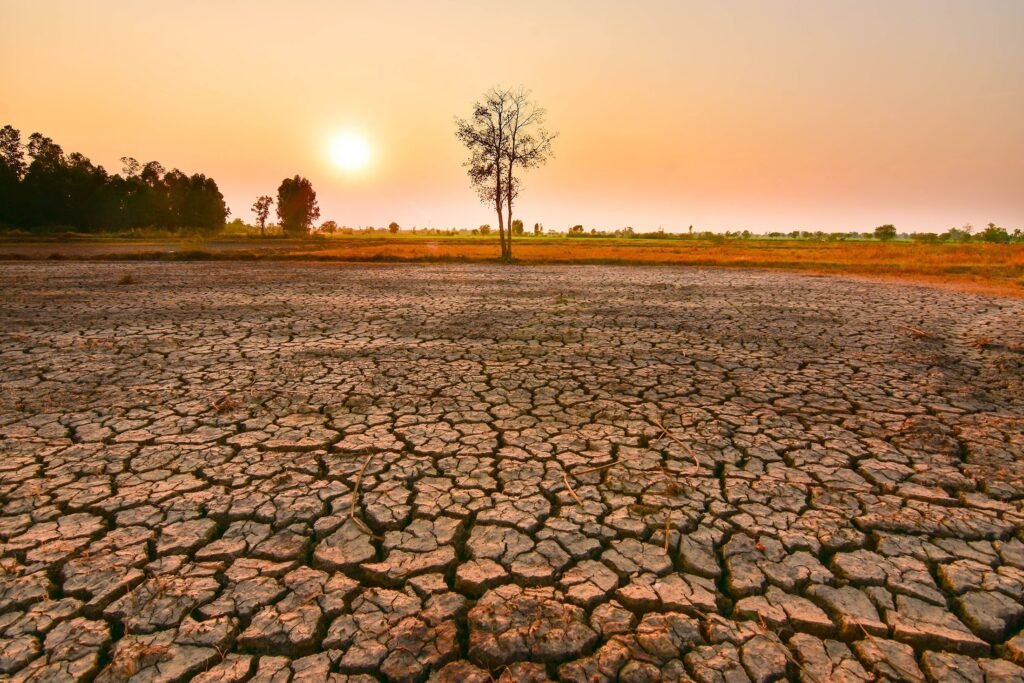
Adding to these challenges is the impact of El Niño, a climate phenomenon that alters global weather patterns. In Asia, it often brings extreme heat, droughts and unpredictable rainfall. These conditions can damage crops, reduce water supplies and disrupt agriculture one of the most vital sectors in many Asian countries. As a result, food production may decline increasing the likelihood of shortages and higher food prices.
The combination of climate stress and economic pressure is particularly dangerous. Reduced agricultural output, combined with already rising costs, could lead to food insecurity for millions of people. In some areas, heatwaves and water shortages are already affecting communities forcing governments to take emergency measures.
Experts also warn that this “perfect storm” could have global consequences. Asia plays a crucial role in the world economy and disruptions in the region can affect global markets, supply chains and prices worldwide. This means that the impact of these combined crises may not remain limited to Asia alone.
Governments and international organizations are now closely monitoring the situation and working to mitigate the risks. Efforts include stabilizing food supplies, controlling inflation and preparing for extreme weather events. However, addressing all three challenges at once remains a complex and ongoing task.
In conclusion, Asia’s current situation highlights how interconnected global challenges have become. The overlap of war, economic instability and climate change is creating a high-risk environment that demands urgent attention. As these pressures continue to build, the region and the world must prepare for potential long-term impacts.
Keywords:
Asia perfect storm, El Niño Asia impact, inflation Asia 2026, war economic impact Asia, climate crisis Asia, food shortage risk, global inflation crisis, heatwave Asia, economic instability Asia, climate change effects, world economy news
Asian Burg | World / Climate / Economy
Send your feedback via email info@asianburg.com