




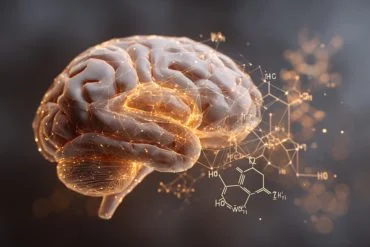
A new scientific study has uncovered a potential link between diet and mental health suggesting that a common nutrient may play a role in anxiety disorders. Researchers found that people with anxiety tend to have lower levels of choline, a nutrient essential for brain function.
The study, conducted by UC Davis Health and published in Molecular Psychiatry, analyzed data from multiple previous studies to better understand brain chemistry in individuals with anxiety disorders.
Using a specialized imaging technique known as Proton Magnetic Resonance Spectroscopy, researchers examined chemical activity in the brain. The analysis included data from over 700 participants comparing those with anxiety disorders to those without.
The results showed an average 8% reduction in choline levels in individuals with anxiety. This difference was most noticeable in the Prefrontal Cortex, a part of the brain responsible for decision-making, emotional regulation and behavior control.
Choline plays a crucial role in maintaining brain health. It supports cell membrane structure and helps produce Acetylcholine, a chemical involved in memory, learning and attention. A deficiency in this nutrient could affect how the brain processes stress and emotions.
Researchers also pointed to the role of Norepinephrine, a chemical linked to the body’s fight-or-flight response. In people with anxiety disorders, this system is often overactive, potentially increasing the demand for nutrients like choline in the brain.
According to lead researcher Richard J. Maddock, anxiety disorders affect nearly 30% of adults and remain one of the most common mental health conditions. Despite available treatments, many individuals do not receive adequate care or fully recover.
The findings suggest that long-term stress and anxiety may alter brain chemistry over time, especially in regions responsible for controlling fear and emotional responses. However, experts caution that the study does not prove that low choline directly causes anxiety.
While choline is found in foods such as eggs, fish, meat and soybeans, researchers warn against self-medicating with supplements. More research is needed to determine whether increasing choline intake can help reduce anxiety symptoms.
Overall, the study opens a new avenue for understanding anxiety highlighting the possible role of nutrition in mental health. It also reinforces the importance of a balanced diet alongside medical and psychological treatment for managing anxiety disorders.
Keywords:
choline and anxiety, anxiety brain chemistry, UC Davis anxiety study, Molecular Psychiatry research, prefrontal cortex anxiety, acetylcholine brain function, norepinephrine anxiety, anxiety disorders causes, nutrition and mental health, brain chemistry research
Asian Burg | Health / Neuroscience
Send your feedback via email info@asianburg.com