



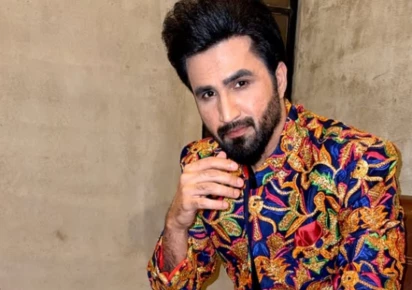
A fresh debate around personal freedom and societal norms has surfaced after singer Falak Shabir called for restrictions on “short dresses” in Punjab’s public spaces. His appeal, directed at Chief Minister Maryam Nawaz, quickly drew backlash across social media and political circles.
Among the critics was PML-N lawmaker Hina Parvez Butt, who questioned why some men remain fixated on women’s clothing instead of focusing on more pressing societal issues. She compared Pakistan to Turkiye, noting that in cities like Istanbul, people do not publicly police women’s attire. According to Butt, such mindsets hinder the country’s progress and reflect misplaced priorities.
Shabir initially defended his stance by framing it as a concern for cultural values and the future of his children. However, his clarification stating his comments applied to “all genders” did little to quell criticism. Many viewed his remarks as unnecessary moral policing, especially at a time when Pakistan faces serious challenges including rising violence against women.
Public reaction remains divided. While some supported the singer’s concerns about cultural preservation, others argued that individual choice and personal freedom should not be legislated. The incident has once again highlighted the ongoing tension between conservative values and evolving social attitudes in Pakistan.
As the discussion continues, one question stands out: should public discourse focus on personal attire or on addressing the deeper issues affecting society?