



Tucked away on the Gulf of Guinea, Equatorial Guinea remains one of the least-visited countries in the world receiving only around 6,000 international tourists annually.
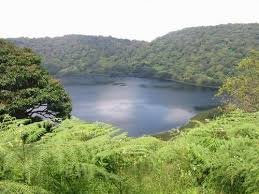
Despite its small population of about 1.85 million, the country offers vast natural diversity, from volcanic islands to dense tropical rainforests that cover more than 90% of its territory.
Tourism is slowly emerging as the government introduces electronic visas, opening access to a destination that remains largely untouched by mass travel.
Rich Biodiversity and Pristine Ecosystems
Equatorial Guinea is home to some of the most intact ecosystems in Africa. Its forests support rare wildlife including primates, tropical birds, reptiles and endemic plant species.
On Bioko Island, travelers can witness endangered species such as drill monkeys and experience rare leatherback turtle nesting sites along remote black sand beaches.
Meanwhile, Monte Alén National Park on the mainland is one of Central Africa’s richest biodiversity zones hosting elephants, gorillas, chimpanzees and over 100 mammal species.
Volcanoes, Forests and Remote Adventure
Adventure tourism is a growing attraction. Hikers can explore Pico Basile, the country’s highest peak offering panoramic views across Bioko Island.
Remote volcanic islands such as Annobón and coastal regions like Corisco and Elobey provide untouched beaches, coral reefs and seasonal whale migrations.
Mangrove estuaries near Mbini and Cogo also offer unique boat tours through rich marine ecosystems.
Culture and Heritage
Equatorial Guinea’s identity is shaped by a blend of Spanish colonial influence and indigenous traditions. The population includes ethnic groups such as the Fang, Bubi and Ndowe, each preserving distinct cultural practices.
Traditional ceremonies such as spiritual cleansing rituals, drumming festivals and maritime dances remain central to community life.
Emerging Tourism Potential
With infrastructure gradually improving, Equatorial Guinea is positioning itself as a sustainable eco-tourism destination. Conservation efforts and limited tourism flow are helping preserve its biodiversity and cultural heritage.
Experts say the country represents one of the last opportunities to experience untouched African wilderness before large-scale tourism arrives.
Keywords:
Equatorial Guinea tourism, Bioko Island wildlife, Monte Alén National Park, Africa eco tourism destinations, untouched rainforest Africa, Pico Basile hiking, Central Africa travel guide, endangered wildlife Equatorial Guinea, sustainable tourism Africa, Asian Burg travel desk
Asian Burg | Travel Desk
Send your feedback via email info@asianburg.com