




As temperatures continue to rise globally, food safety is becoming an increasingly urgent public health concern yet it remains dangerously underestimated, particularly in countries like Pakistan. While much attention is given to heatstroke and dehydration, the silent threat of foodborne illness often goes unnoticed until it is too late.
From a food technologist’s perspective, the risks associated with high temperatures are not seasonal inconveniences they are systemic hazards. Bacteria thrive in warm environments and without proper handling, everyday meals can quickly turn into sources of infection. According to the Centers for Disease Control and Prevention, millions of foodborne illness cases occur annually, a number that becomes even more concerning when viewed through the lens of developing countries with weaker food safety systems.
The problem is not limited to large-scale food operations. In fact, it is most visible in everyday settings street vendors, family gatherings and outdoor cooking. Meat left at room temperature, improperly stored leftovers and cross-contamination between raw and cooked foods are common practices that significantly increase health risks.
One of the most overlooked issues is temperature control. Food safety standards clearly emphasize that perishable food should not remain unrefrigerated for extended periods, especially in extreme heat. Yet in many parts of Pakistan, access to consistent refrigeration is limited and awareness of safe holding temperatures is even lower. This creates ideal conditions for bacterial growth.
Cooking practices also require closer scrutiny. Undercooked meat remains a major source of contamination. Ensuring that food reaches safe internal temperatures is not merely a technical recommendation it is a basic requirement for preventing illness. However, reliance on visual cues rather than proper measurement often leads to unsafe consumption.
Another critical concern is cross-contamination. The use of the same utensils or surfaces for raw and cooked food is widespread, particularly in informal settings. Without strict hygiene practices, harmful microorganisms can easily spread from one food item to another turning even properly cooked meals into potential health risks.
Hydration and overall health management during heatwaves add another layer to the issue. Extreme temperatures not only accelerate food spoilage but also weaken the body’s ability to cope with infections. Vulnerable populations including children, the elderly and those with compromised immunity face significantly higher risks.
What makes this situation more concerning is the lack of structured public awareness. Food safety is rarely treated as a priority in national health discussions. Campaigns tend to focus on visible crises, while preventable issues like food contamination remain in the background.
From an expert standpoint, the solution is not complicated but it does require consistency. Proper refrigeration, thorough cooking, separation of raw and cooked foods and basic hygiene practices can dramatically reduce risks. However, these measures must be supported by awareness, education and policy enforcement.
Pakistan, like many other countries facing rising temperatures, must begin to treat food safety as an essential component of public health strategy. Heatwaves are no longer isolated events; they are becoming the new normal. Ignoring their impact on food systems is no longer an option.
Ultimately, food safety in extreme heat is not just about avoiding discomfort it is about preventing disease, protecting vulnerable populations and strengthening resilience in a warming world.
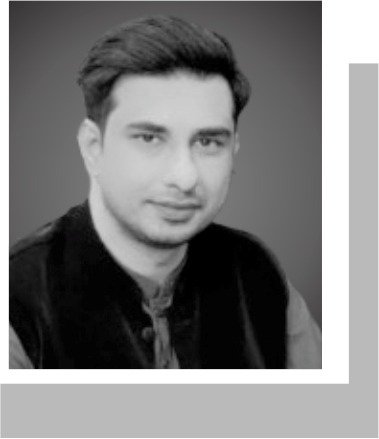
Ali Ahmed Laghari
Keywords:
food safety summer heat, foodborne illness prevention, BBQ safety tips, cooking meat temperature safety, Pakistan food safety awareness, heatwave health risks, food contamination prevention, hygiene in hot weather, safe food storage summer, public health Pakistan
About Author:
The author is a food technologist and food safety professional serving as Assistant Director (Training) at the Punjab Food Authority, Pakistan.
He is pursuing a PhD in Food Science and Technology with international research exposure at Jiangnan University, China.
His research focuses on food safety, quality assurance, food processing and regulatory affairs.