




The growing popularity of GLP-1 medications such as Wegovy and Zepbound has reshaped the conversation around obesity. For older adults, however, the debate is far more complicated than simple before-and-after transformations. To read more about Peptides Emerge as New Wellness Trend After GLP-1 Boom, Raising Safety Concerns
At first glance, the new access initiative under Medicare appears to be a long-overdue intervention. Obesity among seniors has steadily increased over the decades bringing with it a cascade of health risks from heart disease to diabetes and reduced mobility. In that context, medications that can deliver double-digit weight loss seem less like a luxury and more like a necessity.
But the real question is not whether these drugs work. Evidence suggests they do consistently and significantly. The more important issue is whether they fit safely into the complex biology of aging.
From an opinion standpoint, the enthusiasm surrounding GLP-1 drugs risks outpacing caution. Older adults are not simply “older versions” of younger patients. Their bodies respond differently to rapid weight loss, particularly when it comes to muscle mass, hydration and metabolic balance. Losing weight is beneficial but losing strength is not.
This is where the narrative becomes less straightforward. While these medications reduce fat, they may also accelerate muscle loss, a critical concern for seniors already vulnerable to frailty. The promise of a lighter body may come at the cost of reduced stability increasing the risk of falls or long-term functional decline.
Side effects further complicate the picture. Nausea, vomiting, and digestive issues may appear manageable on paper but in older adults, they can trigger dehydration and more serious complications. What might be a temporary inconvenience for a younger patient can quickly become a medical issue for someone in their late 60s or 70s.
The introduction of subsidised access through Medicare adds another layer to the debate. On one hand, it democratizes access to treatments that were previously unaffordable. On the other, it risks normalising a pharmaceutical solution to what is ultimately a multifaceted health issue involving diet, lifestyle and long-term care.
There is also a broader shift happening in how success is defined. For decades, weight has been treated as the primary metric of health. Increasingly, experts are arguing for a function-based approach prioritising mobility, independence and quality of life over a number on the scale. In that framework, aggressive weight loss may not always be the optimal goal for older adults.
That does not mean GLP-1 drugs should be dismissed. In fact, for many seniors especially those with obesity-related conditions they may offer substantial benefits including reduced cardiovascular risk and improved metabolic health. But these benefits are conditional, not universal.
The real takeaway is that these medications are not a shortcut; they are a tool. And like any powerful tool, their effectiveness depends entirely on how carefully they are used.
Ultimately, the rise of GLP-1 treatments reflects a deeper shift in modern medicine toward intervention over prevention, speed over sustainability. For older adults, the challenge is not just losing weight but doing so in a way that preserves strength, independence and long-term health.
Because in aging, the goal is not simply to weigh less it is to live better.
Keywords:
GLP-1 drugs benefits risks, Wegovy seniors, Zepbound weight loss analysis, Medicare GLP-1 bridge program, obesity treatment elderly, semaglutide tirzepatide effects, weight loss drugs side effects seniors, aging and obesity treatment, health policy US Medicare, GLP-1 safety concerns
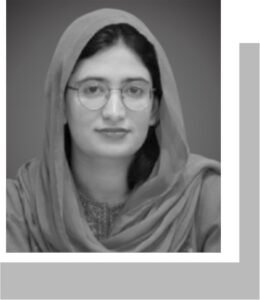
Dr Kanza Aziz Awan
About Author:
Dr. Kanza Aziz Awan holds a PhD in Food Technology from the University of Agriculture Faisalabad and received merit scholarships throughout her studies.
She has teaching and research experience in food science and nutrition, with expertise in functional foods and nutraceuticals.
Dr. Awan has published several research articles, co-authored the book Scientific Presentations, and contributed to book chapters.
She actively participates in national and international conferences and is a life member of the Pakistan Society of Food Scientists and Technologists.