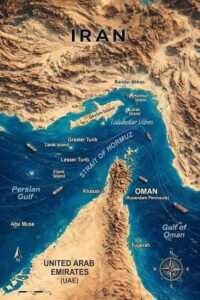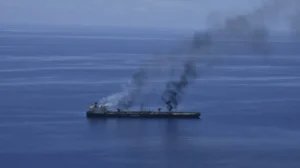




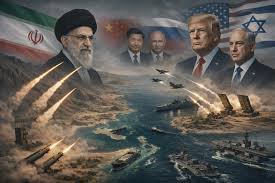
The ongoing conflict involving Iran, Israel and the United States has rapidly evolved into a matter of global concern extending far beyond the Middle East. Its impact is now being felt across political, economic and security landscapes worldwide raising alarms among policymakers and analysts alike.
As tensions escalate, experts believe that the eventual outcome of this conflict will expose deeper geopolitical realities and significantly reshape international dynamics. Countries such as Pakistan and India along with European nations and Gulf states could experience lasting shifts in their regional roles, alliances and strategic influence.
Contrary to common perception, emerging reports suggest that Israel is facing increasing internal strain. Migration trends indicate that a segment of the population particularly skilled professionals is considering relocation amid rising security concerns. Simultaneously, the country is grappling with signs of military fatigue, personnel shortages and growing hesitation among reservists to engage in prolonged conflict.
On the economic front, the extended duration of hostilities is contributing to mounting financial pressure including reduced investor confidence and broader economic uncertainty.
The war has also intensified political polarization within Israel. Criticism of Prime Minister Benjamin Netanyahu is becoming more pronounced reflecting wider public dissatisfaction. These internal divisions risk weakening national cohesion at a time when unity is critical for managing both domestic and external challenges.
One of the most pressing concerns is the potential for escalation into a broader regional conflict. Existing defense relationships and strategic partnerships involving countries such as Pakistan, Saudi Arabia, Turkey, Qatar and the United Kingdom could increase the likelihood of additional actors becoming involved if tensions continue to rise.
Amid growing uncertainty, Pakistan has stepped into a diplomatic role attempting to facilitate dialogue between Iran and the United States. These efforts underscore the importance of communication and negotiation in preventing further escalation.
At the same time, misinformation campaigns have emerged spreading false narratives aimed at undermining trust between regional players particularly between Pakistan and Iran highlighting the complex information landscape surrounding the conflict.
The continuation of this conflict poses significant risks to global stability. Beyond immediate military and economic consequences, it threatens to deepen geopolitical divisions and potentially trigger a wider crisis.
A ceasefire, therefore, is not merely beneficial it is essential. Bringing an immediate end to hostilities would help prevent further escalation and serve the broader interests of regional and global peace.
*Keywords:*
Iran Israel conflict 2026, US Iran tensions, Middle East war news, global geopolitical crisis, Israel internal crisis, Netanyahu criticism, Pakistan mediation Iran US, regional conflict risk Middle East, global security threat 2026, ceasefire importance, world war risk analysis, Gulf tensions, international relations 2026, geopolitical analysis Iran conflict
Asian Burg | Global Affairs
Send your feedback via email info@asianburg.com