



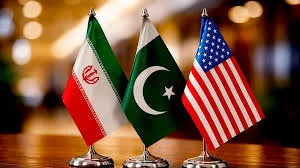
Pakistan’s evolving role as a mediator between United States and Iran has drawn increasing international attention, as recent diplomatic efforts highlight both opportunities and limitations of such engagement.
Initially acting as a quiet communication channel, Islamabad’s role expanded significantly following the escalation of conflict earlier this year. The country moved from facilitating backchannel contacts to hosting direct talks and positioning itself as a bridge between the two adversaries.
Prime Minister Shehbaz Sharif and Foreign Minister Ishaq Dar publicly affirmed Pakistan’s willingness to facilitate and mediate dialogue signaling a more proactive diplomatic stance. This shift reflects not only regional necessity but also an effort to enhance Pakistan’s global relevance through crisis management.
Geography plays a key role in this positioning, as Pakistan maintains close proximity to Iran while also holding longstanding strategic ties with the United States. However, experts argue that geography alone is insufficient credibility, neutrality and trust are essential for effective mediation.
Historically, Pakistan has facilitated key diplomatic engagements including roles in US-China rapprochement and regional conflict dialogues. While these efforts helped open communication channels, they often stopped short of shaping final outcomes.
Analysts note that successful mediation requires more than access; it demands structured negotiations, balanced leverage, and enforceable agreements. In the current US-Iran context, core issues such as sanctions, nuclear limits and regional security must be addressed comprehensively for any lasting resolution.
Despite praise from global actors including international organizations and major powers, challenges remain. The imbalance of power between the US and Iran, along with external pressures and real-time communication with capitals, complicates the mediation process.
Ultimately, Pakistan’s diplomatic initiative represents a significant opportunity to redefine its international role. However, the success of this effort will depend on careful process management, sustained engagement and the ability to maintain neutrality while fostering trust between both sides.
Keywords
Pakistan mediation role, US Iran diplomacy, global conflict resolution, Shehbaz Sharif diplomacy, Ishaq Dar mediation, international relations 2026, geopolitical strategy Pakistan, US Iran talks, peace negotiations,
Asian Burg | Opinion Desk
Send your feedback via email info@asianburg.com